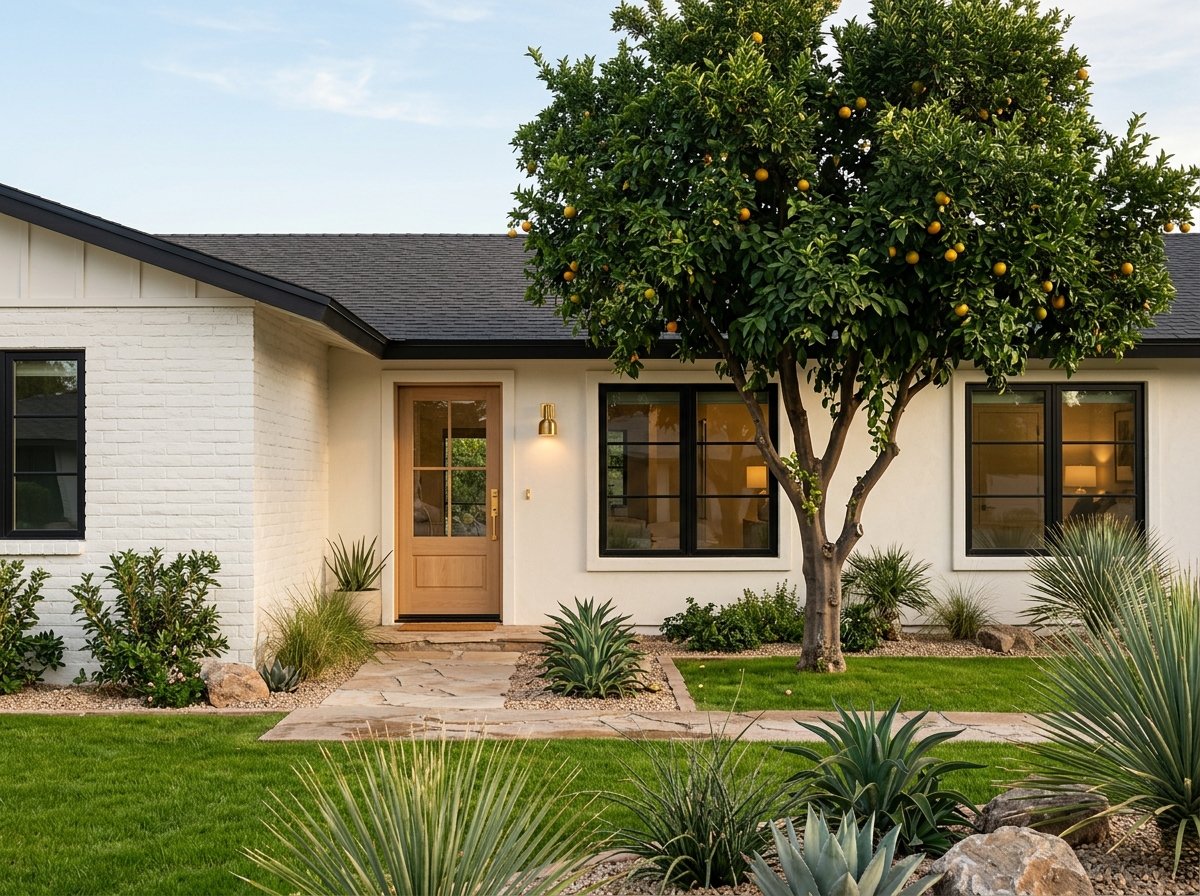
Wondering why one Arcadia home feels tucked away on a quiet, estate-style street while another puts you steps from the canal and restaurant corridors? That is the puzzle many buyers and sellers run into in Arcadia. The neighborhood name carries a lot of weight, but the reality is more nuanced from block to block. If you want to understand how Arcadia home pockets work in Phoenix, this guide will help you spot the differences that matter most. Let’s dive in.
Arcadia Is Not One Thing
Arcadia is best understood as a historic neighborhood identity in east-central Phoenix, generally centered between Camelback Mountain and the Salt River. Over time, official definitions have varied, which is one reason buyers sometimes see different boundaries depending on the source.
The historic survey places Arcadia north of the Arizona Canal and south of Camelback Mountain between 44th Street and Scottsdale Road. The Arcadia Camelback special district plan covers a somewhat different area, from 44th to 64th Streets and from the Stanford Drive alignment to Indian School Road, with planning intended to preserve a predominantly low-density residential character.
For you as a buyer or seller, that means the Arcadia label can describe several different pockets rather than one uniform market. Two homes may both be called Arcadia, yet offer very different lot sizes, street feel, and pricing.
Why Arcadia Feels So Different
Arcadia’s historic roots still shape the neighborhood today. The original tract was subdivided into large five- to ten-acre lots, and later replats still preserved a roomy, estate-like pattern with four- to six-acre lots in some areas.
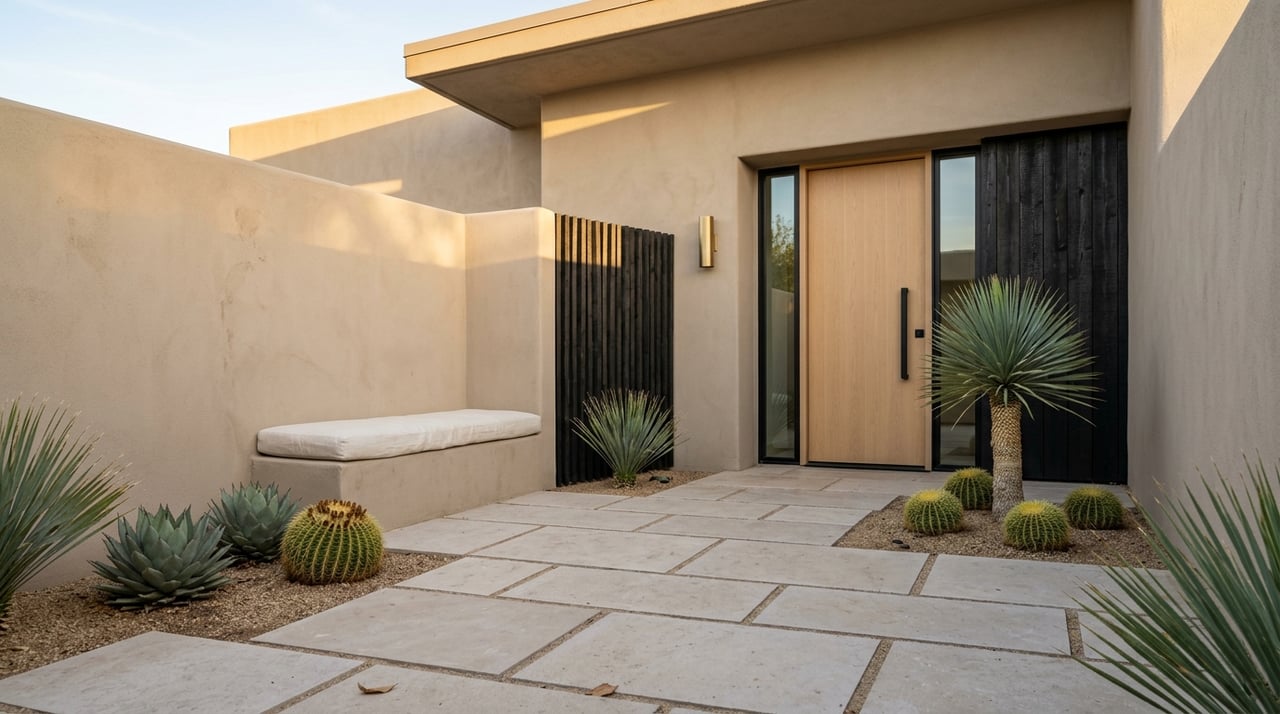
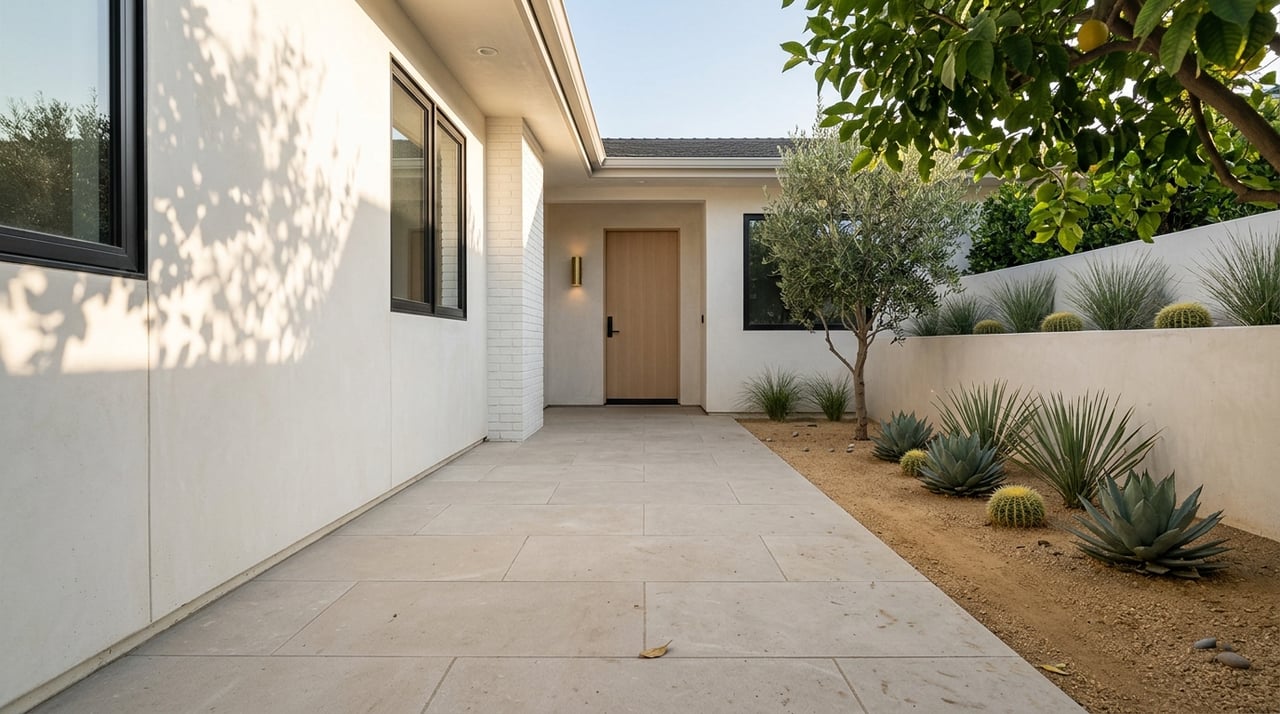
That history helps explain why many buyers associate Arcadia with mature landscaping, deeper setbacks, and a less repetitive streetscape than many other Phoenix neighborhoods. You can still see that legacy in the mix of ranch homes, custom rebuilds, and older architectural styles such as Pueblo Revival and Monterey Revival.
At the same time, Arcadia sits within Camelback East, where much of the housing stock was built between 1950 and 1970. That creates a layered housing mix, with classic mid-century homes, renovated ranch properties, and newer luxury builds all sharing the same broader neighborhood identity.
Historic Estate Streets
What defines this pocket
If you picture “classic Arcadia,” you are probably thinking of the historic estate streets. These are the blocks where the original large-lot pattern still shows up most clearly, with more room between homes and a stronger sense of privacy.
This pocket tends to appeal to buyers who want a quieter residential feel and more old-Arizona character. You are also more likely to find renovated ranch homes, rebuilds, and architecturally distinctive older houses rather than tight infill.
What buyers should expect
These streets often stand out for lot size and street presence more than pure walkability. If your priority is space, setbacks, and a private-garden feel, this is often the most recognizable version of Arcadia.
Because lot pattern and planning framework matter so much here, values can move quickly based on parcel size, home condition, and rebuild potential. In this part of Arcadia, the block itself often carries as much weight as the house.
Arcadia Lite and Lower-Entry Pockets
Why buyers look here first
For many buyers, Arcadia Lite is the lower-entry point into the Arcadia lifestyle. It still comes at a premium compared with much of Phoenix, but current pricing snapshots place it below Arcadia’s top-tier pricing.
Realtor.com snapshots show Arcadia Lite with a median listing price around $950,000 to $982,500. Redfin’s March 2026 snapshot puts the median sale price around $1.4 million. That is still a substantial price point, but notably below Arcadia overall on the listing side.
What this means in practice
If you want the general location, dining access, and neighborhood energy associated with Arcadia but need a more flexible entry point, this is often where the search begins. The tradeoff is that you may see smaller lots, more infill, or a more transitional street feel depending on the block.
For sellers, this pocket shows why careful positioning matters. Buyers shopping Arcadia Lite are often comparing value very closely, so pricing and presentation need to match the specific street and product type.
Corridor-Adjacent Blocks
Where convenience is strongest
Some of Arcadia’s most convenient pockets sit near Camelback Road, Indian School Road, 40th Street, and 44th Street. These areas benefit from proximity to well-known dining clusters and easier access to the Arizona Canal Trail.
Visit Phoenix highlights the concentration of restaurants and local hangouts in these corridors, and the City of Phoenix notes that the Arcadia stretch of the canal trail is a local favorite for biking, jogging, and strolling. That combination gives these blocks a more social, connected feel.
The lifestyle tradeoff
If you value being closer to restaurants, canal access, and day-to-day activity, these blocks can be very appealing. They often feel more walkable and more plugged into the neighborhood’s lifestyle side.
The tradeoff is usually a busier environment. You may have more traffic, less buffer from main roads, and a more active day-to-day rhythm than you would on deeper interior streets.
Newer Luxury Rebuild Pockets
What drives this segment
Arcadia’s newer luxury rebuild market is one of the clearest examples of how much block-by-block differences matter. In this segment, pricing is often driven by teardown potential, custom design, lot quality, and the specific block being marketed.
Realtor.com’s current Arcadia new-construction page shows a median listing price around $1.74 million. Current examples in the research range from a new build around $2.8 million on Glenrosa to another new-construction listing on Calle Ventura marketed under $4 million.
What buyers and sellers should know
For buyers, this pocket can offer the polished, newer-home finish many people want, while still giving you an Arcadia address and setting. For sellers, it is a reminder that updated design alone does not determine value. Lot characteristics, location, and surrounding street pattern still play a major role.
This is also where overpricing can be risky. Even in a premium neighborhood, buyers tend to compare newer inventory very carefully when several high-end options are on the market.
Price Gaps Across Arcadia
The easiest way to understand Arcadia home pockets is to look at the price spread. Current market snapshots show Arcadia overall with a median listing price around $2.0 million, a median price per square foot of $636, a median of 62 days on market, and a 96% sale-to-list ratio on Realtor.com.
Redfin’s March 2026 Arcadia page shows a median sale price around $1.5 million and $506 per square foot. By comparison, Phoenix citywide shows a median listing price around $485,000 on Realtor.com, while Redfin shows a February 2026 median sale price of $461,000.
That gap helps explain why Arcadia is treated as a premium Phoenix neighborhood. It also shows why it makes more sense to think in price bands and pockets rather than assuming every Arcadia block trades the same way.
Why One Block Commands More
Lot size and rebuildability
One major factor is lot size. Arcadia’s history of larger parcels means some blocks offer land value and future flexibility that smaller-lot areas do not.
Buyers often pay a premium for parcels that allow more privacy, a stronger estate feel, or long-term rebuild potential. In many cases, the land is a meaningful part of the value story.
Street feel and location
Proximity to the canal, dining corridors, or busier roads can also influence price in either direction depending on buyer priorities. Some buyers will pay more for convenience and walkability, while others will pay more for a quieter interior street.
That is why two homes with similar square footage can land at very different price points. In Arcadia, location inside the neighborhood often matters almost as much as location on the map.
Architectural character
Arcadia is not defined by one single home style. Instead, you will see a mix of classic ranch homes, custom rebuilds, and older architectural holdovers.
That variety creates opportunity, but it also means buyers compare quality very carefully. Design, renovation level, and curb appeal can all shift value quickly from one pocket to another.
What This Means for Buyers
If you are home shopping in Arcadia, start by deciding what kind of Arcadia experience you want. Do you want larger lots and privacy, easier walkability to dining and the canal, or a newer custom home with updated finishes?
Once you know your priorities, the search becomes much clearer. Instead of chasing the broad Arcadia name, you can focus on the pockets that best match your lifestyle, budget, and long-term goals.
It also helps to stay disciplined on pricing. Broader Phoenix market reports show softer conditions than the peak years, including a year-over-year drop in Phoenix median listing price in March 2026 and a meaningful share of listings with price cuts, so even premium neighborhoods reward smart negotiation and realistic expectations.
What This Means for Sellers
If you are selling in Arcadia, your biggest advantage is understanding exactly which pocket story your home fits. Buyers are not just purchasing square footage. They are comparing lot size, block feel, dining access, canal proximity, and whether the home reads as classic ranch, updated family property, or newer luxury rebuild.
That is why pricing strategy matters so much here. Arcadia’s name brings attention, but buyers still measure value against the specific street and the current competition in that pocket.
Presentation matters too, especially in a neighborhood where architectural character and lifestyle cues are such a big part of the appeal. The right positioning can help buyers quickly understand why your home stands out within Arcadia’s layered market.
If you want help understanding which Arcadia pocket your home fits into, or what kind of opportunity a specific block offers as a buyer, Mary King can help you make sense of the details and build a smart plan.
FAQs
What are Arcadia home pockets in Phoenix?
- Arcadia home pockets are the distinct sub-areas within the broader Arcadia neighborhood, each with its own mix of lot size, housing style, walkability, traffic level, and price point.
Which Arcadia pocket feels most like classic Arcadia?
- The historic estate streets are generally the best match for the classic Arcadia feel, with larger lots, deeper setbacks, older ranch homes, and a stronger sense of privacy.
Which Arcadia pocket is most walkable?
- The blocks closest to the Arizona Canal Trail and the Camelback, Indian School, 40th Street, and 44th Street dining corridors tend to offer the strongest walkability and lifestyle convenience.
Which Arcadia pocket is usually the lower entry point?
- Arcadia Lite is typically considered the lower-entry side of the Arcadia market, even though it still prices above much of Phoenix overall.
Why do Arcadia home prices change so much by block?
- Prices can vary widely because Arcadia values are influenced by lot size, rebuild potential, architectural character, and proximity to dining corridors or canal access, not just by the neighborhood name.
Is Arcadia more expensive than Phoenix overall?
- Yes. Current market snapshots in the research show Arcadia pricing well above Phoenix citywide, which is why buyers and sellers benefit from looking closely at each Arcadia pocket rather than treating the area as one market.