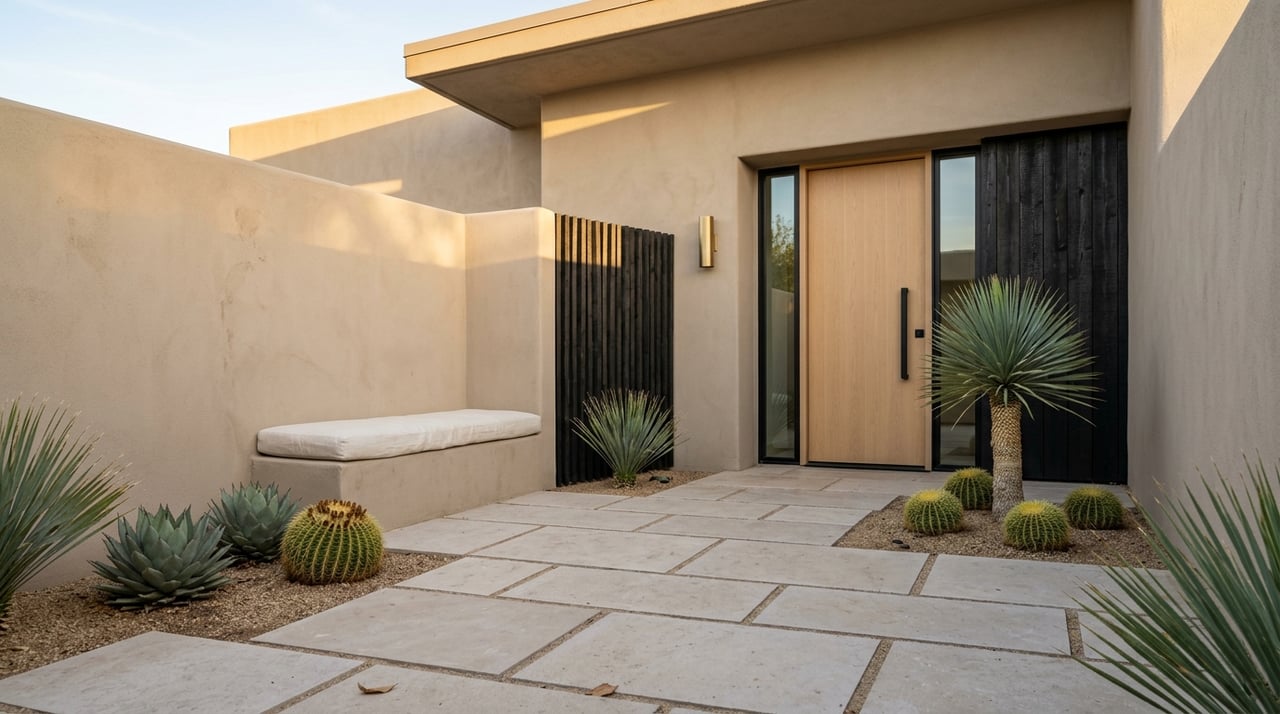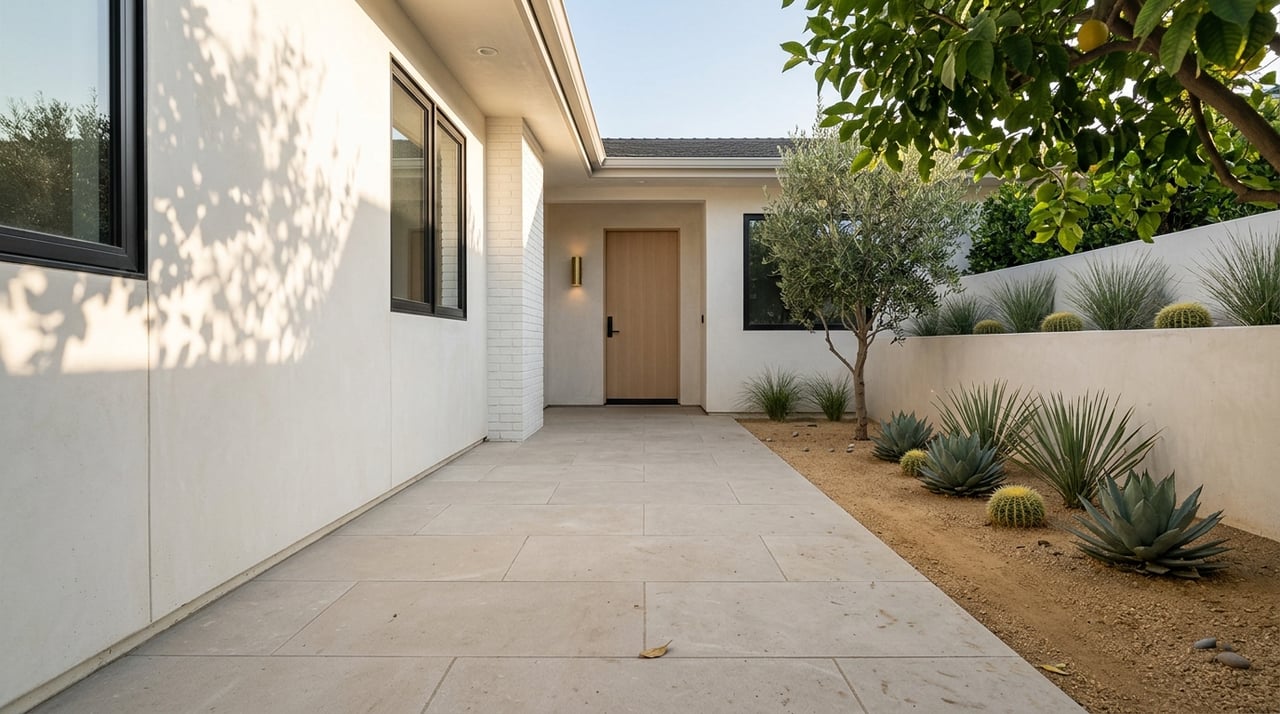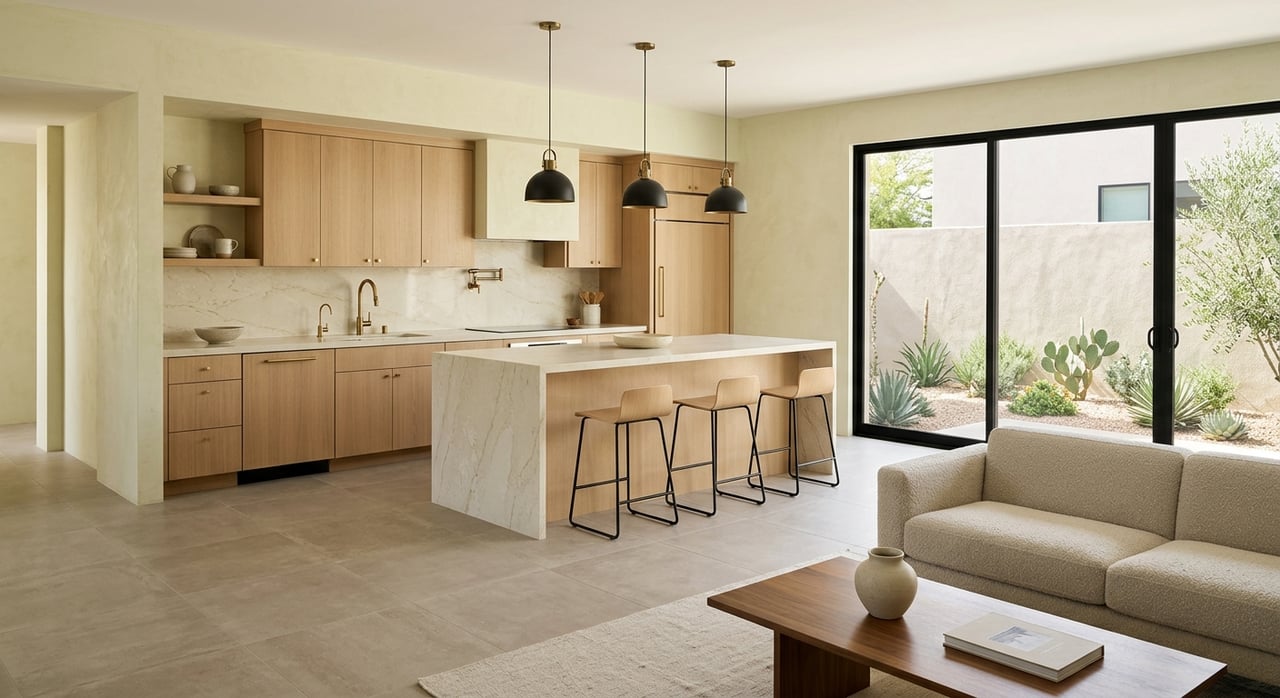
Selling a home in North Central Phoenix is not the same as selling just anywhere in the Valley. Buyers here are often looking closely at architecture, lot size, outdoor space, and the small details that make a home fit its setting. If you want to sell with confidence, it helps to know what matters most before you list. Let’s dive in.
Why North Central Phoenix Sells Differently
North Park Central is known for its central Phoenix location, midcentury modern architecture, midtown skyline views, and walkable access to the Melrose District. The broader North Central area is also associated with the Murphy Bridle Path, historic homes, large irrigated lots, and a long neighborhood history. That means buyers are often comparing more than square footage and finishes.
In this part of Phoenix, your home’s design and lot utility can shape buyer interest just as much as your kitchen or bathrooms. Features like open layouts, floor-to-ceiling windows, dramatic roof lines, carports, and outdoor living space may stand out, especially in homes with midcentury character. If your property has those traits, your selling strategy should bring them forward.
Location also plays a major role in how buyers view value. North Central is often appreciated for everyday convenience and access to local destinations, and some homes may also benefit from proximity to the Madison School District or nearby private and public schools. When you sell here, the neighborhood story is part of the marketing.
Start With Your Seller Prep
A smooth sale usually starts long before the listing goes live. In Arizona, sellers are required to disclose all known material facts, and the Seller’s Property Disclosure Statement, or SPDS, is designed to help organize that information. Pulling everything together early can save time and reduce stress later.
Start by gathering key records for the home. This may include permits, remodel receipts, warranties, and any HOA or CC&R documents that apply to the property. CC&Rs can include restrictions on items like landscaping, RV parking, play equipment, and satellite antennas, so it is smart to know what applies before buyers ask.
Older North Central homes often benefit from a strong paper trail. Roof service records, HVAC maintenance, pool service history, contractor invoices, and past renovation details can all help buyers feel more comfortable. Clear documentation can also make your disclosure package more complete.
Consider a Pre-List Inspection
A pre-list inspection is not required, but it can be a practical move. Arizona real estate guidance recommends a professional home inspection and a termite inspection, and those records can help you identify issues before a buyer does. That gives you more control over repairs, pricing, and negotiation.
If your home has had termite treatment, you can also look into the treatment history by address for the prior three years through the Arizona Department of Agriculture. Buyers and lenders may pay close attention to wood-destroying insect reports, especially with older homes. Having that information ready can help avoid last-minute surprises.
Check Water, Irrigation, and Drainage
In North Central Phoenix, lot features matter. If your home has a larger irrigated lot, buyers may look closely at how irrigation works, whether drainage issues exist, and how usable the outdoor space feels. Arizona buyer guidance specifically calls out water, irrigation, and drainage as items to check.
Before listing, test irrigation systems, outdoor spigots, and any water-related features that affect daily use. If there are known drainage concerns, disclose them clearly. Fixing small issues now may help protect your timeline later.
Know the Lead Disclosure Rule
If your home was built before 1978, federal law requires lead-based paint disclosure before sale. Buyers must also be given a 10-day period to inspect or risk-assess for lead unless they waive that right. If your home falls into that age range, make sure your paperwork is complete before you hit the market.
If you have done renovation or repair work on an older home, it also helps to keep records related to lead-safe practices when relevant. Buyers often feel more confident when they can see how a home has been maintained over time. In older housing stock, clarity matters.
Price for Today’s Market
Pricing is one of the most important decisions you will make. Phoenix single-family data as of June 30, 2026 shows a median sales price of $485,000 in May 2026, average days on market until sale of 74, percent of list price received of 98.2%, and 3.9 months of inventory. Those numbers suggest that the market is active, but buyers are still paying attention to value.
ARMLS reported that closed sales were up about 4 percent year over year in June 2026, while active inventory was down about 5 percent year over year. At the same time, 75 percent of homes that closed did so after a median price reduction of $25,000 from the original list price. The takeaway is simple: buyers are responding to value, not just limited supply.
New construction is also part of the equation. ARMLS noted that the median price gap between new construction and resale narrowed to 7 percent in Maricopa County. For resale sellers, that means your home may be competing more directly with newer options than you expect.
Use the Right Comp Set
In North Central Phoenix, not every nearby sale is a true comparison. A preserved midcentury home, an updated renovation, and an original-condition property may attract different buyers and support different pricing. Lot size, pools, guest quarters, garages or carports, and outdoor livability can all affect value.
That is why pricing should reflect your home’s condition and character, not just its ZIP code. A thoughtful comp set helps you avoid overpricing a home that needs work or underpricing a property with strong architectural appeal. The goal is to meet the market with a price that feels justified the moment buyers walk in.
Focus Repairs Where They Matter Most
Many sellers ask if they need a full remodel before listing. In most cases, the better approach is to focus on obvious condition issues, core systems, and presentation while preserving the home’s architectural character. Buyers in North Central often respond well to homes that feel cared for and true to their design.
That might mean repairing visible deferred maintenance, improving lighting, freshening paint where needed, or addressing system concerns that could come up during inspection. It does not always mean replacing everything. Smart prep is usually about reducing buyer hesitation, not erasing every sign of age.
If you are deciding where to invest before listing, start with the items most likely to affect buyer confidence. Roofing, HVAC, termite documentation, irrigation, drainage, and clean disclosures often matter more than trend-driven cosmetic projects. The right strategy depends on your home’s current condition and price point.
Market the Home and the Setting
Once your home is ready, the marketing should reflect what makes North Central appealing. For many properties, that includes architectural lines, natural light, indoor-outdoor flow, mature landscaping, and the functionality of the lot. In a neighborhood where character matters, your presentation should help buyers feel the difference.
If your property benefits from features like skyline views, walkable access to the Melrose District, or proximity to the Murphy Bridle Path, those details can help shape the listing story. The same is true for large irrigated lots, carports, open floor plans, and preserved midcentury features. These are not just nice extras. They help buyers understand why your home stands apart.
This is also where strong presentation can make a real difference. Thoughtful photography, a clear neighborhood-focused narrative, and a pricing strategy grounded in current market behavior can help your home compete well against both resale and newer inventory.
Review Offers Carefully
When offers come in, the highest price is not always the strongest offer. You will want to look at financing strength, earnest money, inspection terms, appraisal risk, requested repairs, and the buyer’s timing along with the headline number. A clean, well-supported offer can sometimes put you in a better position than a higher offer with more uncertainty.
Arizona real estate guidance also emphasizes the importance of reading the purchase contract and disclosure-related deadlines carefully. Inspection periods and disclosure review timelines can affect how negotiations unfold. If your paperwork is organized from the start, you are often in a better spot to respond quickly and clearly.
Stay Organized Through Escrow
Escrow is the neutral third-party process that handles funds, documents, and closing tasks. As your sale moves forward, keeping your records organized can help reduce delays. This is especially important if your home includes older-home documentation, repair invoices, termite records, or lead disclosures.
In a market where buyers are watching value closely, a smooth contract-to-close process still matters. Good preparation can support stronger negotiations at the front end and fewer surprises near the finish line. That is often where a full-service, neighborhood-focused approach pays off.
If you are thinking about selling in North Central Phoenix, the right strategy starts with understanding how buyers see your home and your neighborhood. From pricing and prep to marketing and negotiation, each step works best when it is tailored to the property in front of you. If you want thoughtful guidance and a local plan built around your goals, connect with Mary King.
FAQs
How long does it take to sell a home in North Central Phoenix?
- Phoenix single-family homes averaged 74 days on market until sale in May 2026, though your timeline can vary based on pricing, condition, and buyer demand.
Do I need to complete a full remodel before selling in North Central Phoenix?
- Usually not. Many sellers do better by focusing on condition, core systems, and presentation while preserving the home’s architectural character.
What disclosures do Arizona home sellers need before listing?
- Arizona sellers are required to disclose all known material facts, and the SPDS is commonly used to organize those disclosures. You should also gather permits, warranties, and any HOA or CC&R documents that apply.
What should North Central Phoenix sellers fix before listing?
- Focus first on items that affect buyer confidence, such as visible maintenance issues, roofing or HVAC concerns, termite records, irrigation performance, and drainage problems.
Are pre-1978 homes in North Central Phoenix harder to sell?
- Not necessarily, but they do require lead-based paint disclosure, and buyers may pay closer attention to inspection records, termite history, and maintenance documentation.
What matters most when reviewing offers on a Phoenix home?
- Look beyond price and compare financing strength, earnest money, inspection terms, appraisal risk, repair requests, and the proposed closing timeline.