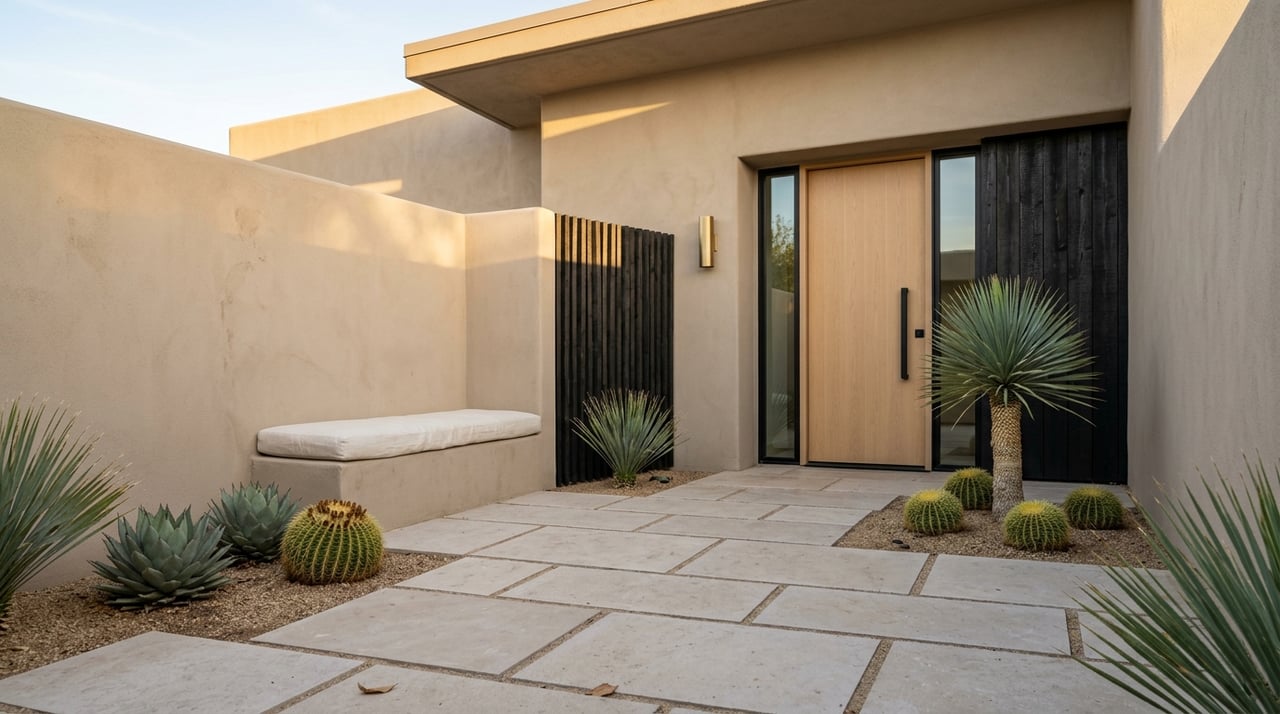
If you’re searching for a home in Paradise Valley, you’ve probably noticed something right away: this is not a one-size-fits-all market. Gates, lot size, custom design, hillside rules, and HOA details can all shape how a property lives day to day. The good news is that once you understand the basics, it becomes much easier to narrow in on the right fit for your goals. Let’s dive in.
How Paradise Valley Homes Differ
Paradise Valley is known for low-density residential living, and that sets the tone for almost every home search in town. The town is primarily zoned for single-family residential use, allows one home per lot, and much of Paradise Valley is zoned R-43 with a one-acre minimum.
That means larger lots and custom estates are not unusual here. They are part of the town’s overall character, along with its resort setting and emphasis on low- and very-low-density development. If you’re coming from another part of Metro Phoenix, Paradise Valley may feel more spread out, more private, and more tailored to individual property design.
Gated Communities Versus HOAs
One of the biggest points of confusion for buyers is the difference between a gated community and an HOA-governed neighborhood. In Paradise Valley, those two things can overlap, but they are not the same.
The town publishes separate maps for gated communities and homeowners associations. That matters because a home may sit in an HOA without being in a gated enclave, and a gated neighborhood may have its own specific rules that differ from another gated area across town.
Some gated community names shown by the town include:
- Hidden Paradise
- Merrill Cantatierra
- Villaresi
- Elmaro Estates
- Cheney Estates
- Cheney Place
- Finisterre
- Via Vista
- Casa Blanca Estates
- Montelucia
- The Preserve at Lincoln
- Desert Jewel Estates
- Ironwood at Camelback Country Club
- La Place du Sommet
The practical takeaway is simple: never assume one gate means the same experience as another. Access, maintenance expectations, architectural review, and community rules can all vary.
Why Location Within Paradise Valley Matters
In Paradise Valley, the address inside the town can matter almost as much as the house itself. The town’s General Plan identifies Lincoln Drive and Tatum Boulevard as major arterials and prominent streets that connect Paradise Valley to Phoenix and Scottsdale.
For you as a buyer, that usually means a tradeoff. Homes closer to key corridors may offer easier access to the rest of the Valley, while homes tucked deeper into town or along hillside streets may feel more secluded and view-oriented.
Neither option is automatically better. It comes down to whether you prioritize convenience, privacy, or a balance of both.
What to Know About Custom Home Lots
If you are looking at a remodel, teardown, or new custom build, lot details matter in a big way. In Paradise Valley, design is shaped not just by taste, but by zoning, lot size, drainage conditions, and the town’s development standards.
For flatland lots, the town ties building height to parcel size. The main residence height limit is 24 feet on lots under 3 acres, 26 feet on lots from 3 to under 4 acres, and 30 feet on lots 4 acres and larger.
The town also applies a 20% Open Space Criteria plane. Site plans must show setbacks, easements, and wash locations, which is a reminder that the usable shape of a lot can affect what you can build.
Hillside Parcels Need Extra Review
Hillside properties can offer dramatic views and a strong sense of privacy, but they come with another layer of review. In Paradise Valley, hillside construction and remodeling must be approved by the Hillside Building Committee before a permit is issued.
The town also notes that painting, roofing, outdoor lighting, walls and fences, lot disturbance, and landscaping may require approval on hillside parcels. If you are considering one of these homes, it is smart to confirm early whether the property falls within the town’s hillside designation.
Drainage and Flooding Are Important
Drainage is not a minor detail in Paradise Valley. The town states that the area is subject to periodic serious flooding, and flood-prone areas are subject to strict controls under the Flood Plain Ordinance.
That is especially important if a lot is near a wash or includes drainage easements. For a custom-home buyer, these are normal due diligence items that can influence design, construction, and long-term property use.
Architectural Style Is Broad, Not Uniform
If you’re hoping for a neighborhood with one consistent look, Paradise Valley may surprise you. The town does not prescribe one dominant architectural style across the community.
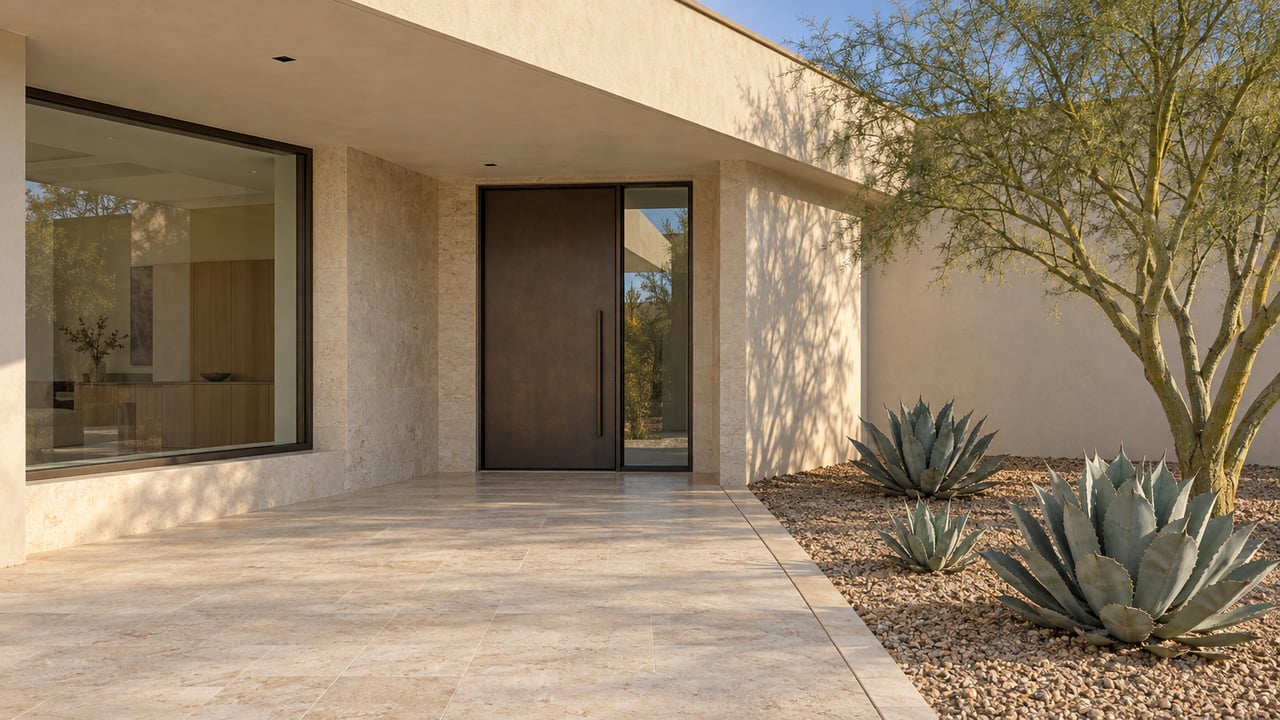
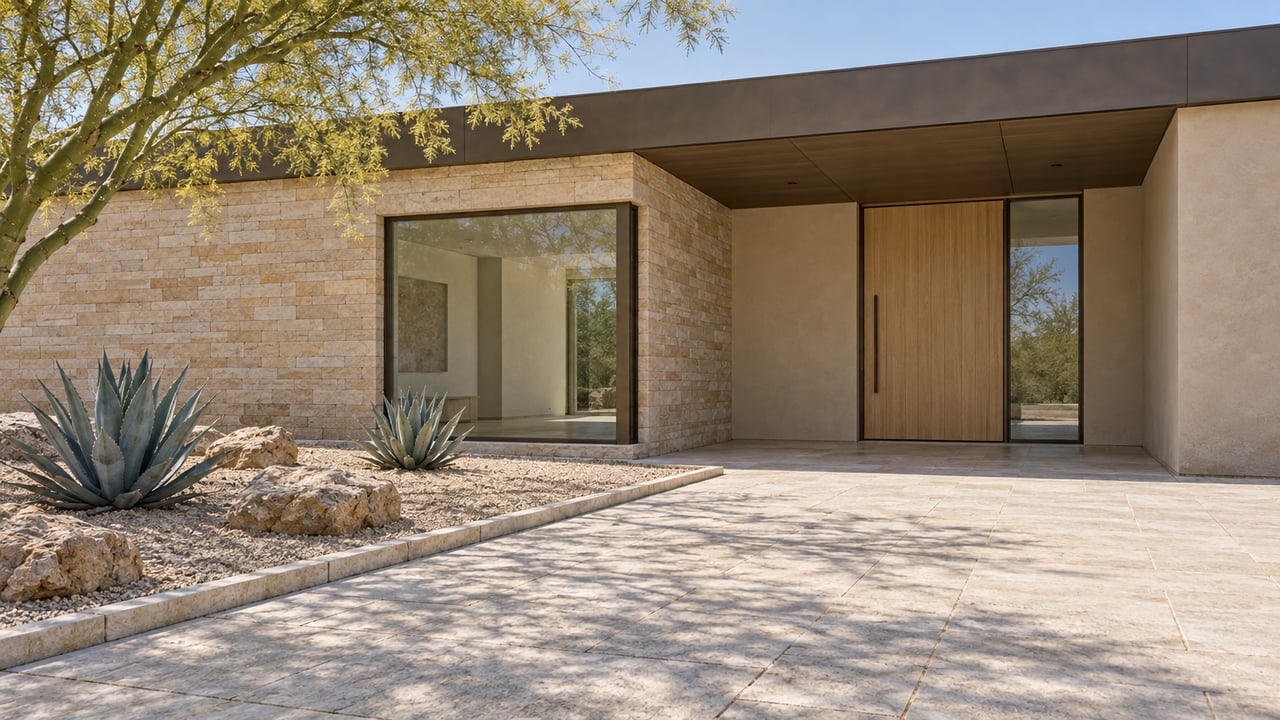
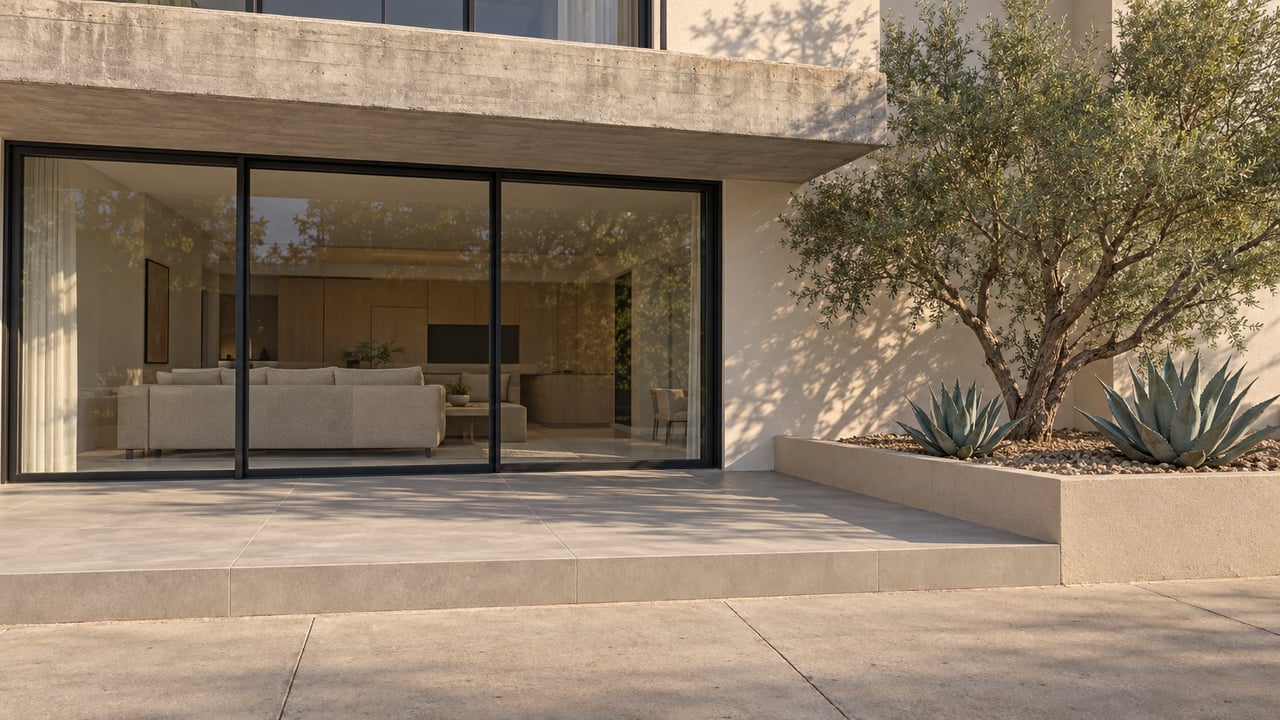
Instead, planning guidance emphasizes design that responds to the Sonoran Desert climate, native desert landscapes, low-density character, and significant view corridors. In real terms, that often means the best homes are shaped around light, shade, privacy, and mountain views.
Local custom-home examples show a wide range. Contemporary desert homes, Old World Mediterranean estates, and Modern Mediterranean villas all appear in the Paradise Valley market.
Views Often Drive Design
In many Paradise Valley custom homes, view orientation is a major design factor. Local builder case studies highlight homes designed to frame Camelback Mountain and Mummy Mountain views, and the town’s planning goals support preserving scenic beauty and mountain character.
For you, that means a lot’s orientation can be just as important as square footage. Setback geometry, neighboring rooflines, and the position of outdoor living spaces can all affect how a home captures its surroundings.
HOA Rules Can Shape Daily Living
If you are buying in an HOA-governed area, the most important rules are the ones tied to that specific community. In Arizona, HOAs are not supervised day to day by a state agency, so buyers need to review the actual governing documents for the property they are considering.
That typically means reading the declaration, CC&Rs, bylaws, and association rules. In Paradise Valley, those details can affect more than major remodels. They may also shape landscaping choices, exterior changes, parking, rentals, and other everyday use questions.
Review Community Documents Early
This step is especially important if you are buying in a gated enclave or planning to make changes after closing. Community rules may affect exterior materials, approval timelines, access procedures, or maintenance responsibilities.
If you are comparing two similar homes, the difference in HOA structure can be just as meaningful as the difference in floor plan. A careful document review helps you avoid surprises later.
Questions to Ask Before You Buy
When you’re comparing gated and custom home options in Paradise Valley, clear questions can save time and help you make a more confident decision. A local, property-specific review is especially valuable in a town where rules can vary from one parcel or enclave to the next.
Here are a few smart questions to ask during your search:
- Is the parcel on the town’s hillside map?
- What zoning applies to the property?
- What is the minimum lot size requirement?
- Is the lot considered non-conforming?
- Is the home in an HOA, a gated community, or both?
- What height, setback, and open-space rules apply to a remodel or rebuild?
- Are there washes, drainage easements, or flood-plain issues to review?
- What do the CC&Rs say about landscaping, exterior changes, parking, and rentals?
Choosing the Right Paradise Valley Fit
The best Paradise Valley home for you depends on how you want to live. If privacy, larger lots, and custom design are at the top of your list, a more secluded or hillside setting may be worth a closer look.
If easy access to Phoenix, Scottsdale, resorts, or other Valley destinations matters most, a location closer to key corridors may be a better fit. In both cases, the gate, the lot, and the governing documents all deserve the same level of attention as the home itself.
Paradise Valley offers a rare mix of space, individuality, and desert setting. With the right guidance, you can sort through the details and focus on the properties that truly match your lifestyle and plans.
If you’re thinking about buying or selling in Paradise Valley, Mary King can help you evaluate gated neighborhoods, custom home opportunities, and property-specific details with the kind of local insight that makes the process feel clear and manageable.
FAQs
What is the difference between a gated community and an HOA in Paradise Valley?
- A gated community and an HOA are not the same thing in Paradise Valley. Some neighborhoods have an HOA without being gated, and gated enclaves may have their own separate rules and review processes.
What should buyers know about custom home lots in Paradise Valley?
- Buyers should review zoning, minimum lot size, height limits, setbacks, easements, wash locations, and open-space rules because all of these can affect what can be built or remodeled on a property.
What makes hillside homes in Paradise Valley different?
- Hillside homes may require approval from the Hillside Building Committee before permits are issued, and additional review may apply to roofing, lighting, walls, fences, landscaping, and lot disturbance.
Why are drainage and flood issues important in Paradise Valley?
- The town notes that Paradise Valley can experience serious flooding, and properties near washes or in flood-prone areas may be subject to stricter controls that affect construction and property planning.
What architectural styles are common in Paradise Valley custom homes?
- Paradise Valley does not have one required architectural style. Buyers will often see contemporary desert homes along with Mediterranean-inspired designs, with many properties planned around privacy, shade, and mountain views.
What documents should buyers review for a Paradise Valley HOA home?
- Buyers should review the declaration, CC&Rs, bylaws, and association rules to understand restrictions related to exterior changes, landscaping, parking, rentals, and other property use details.