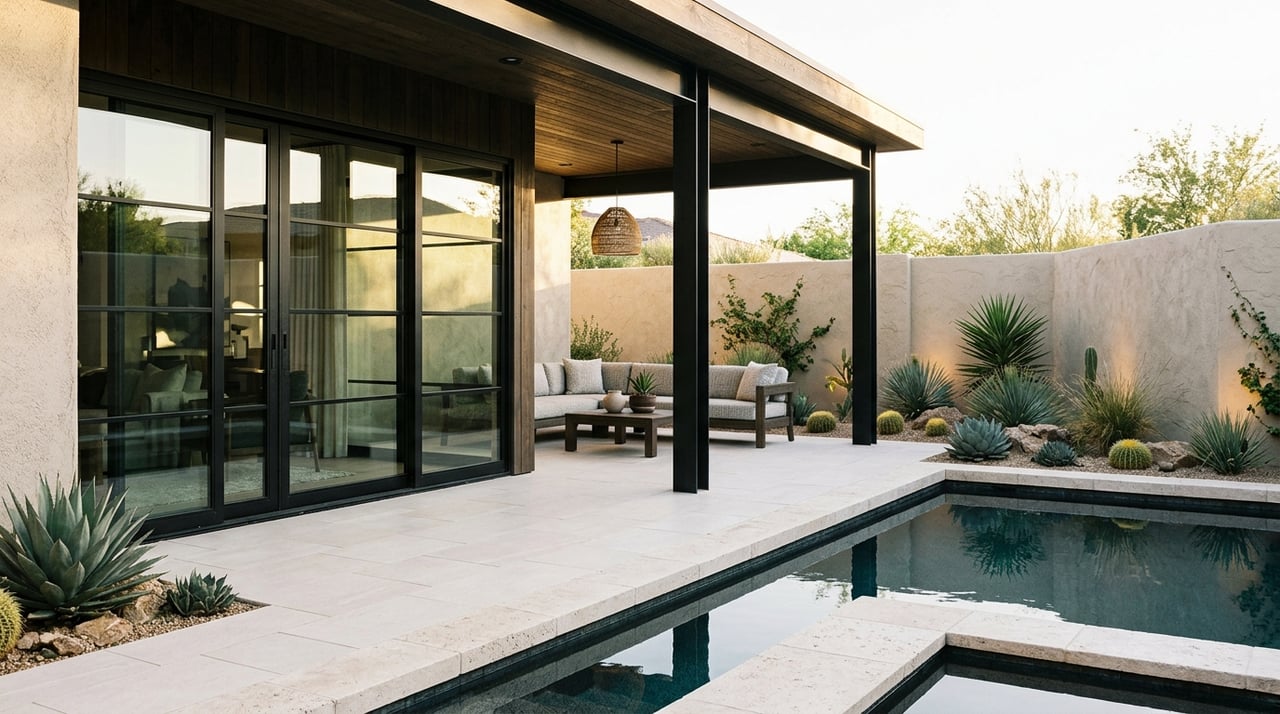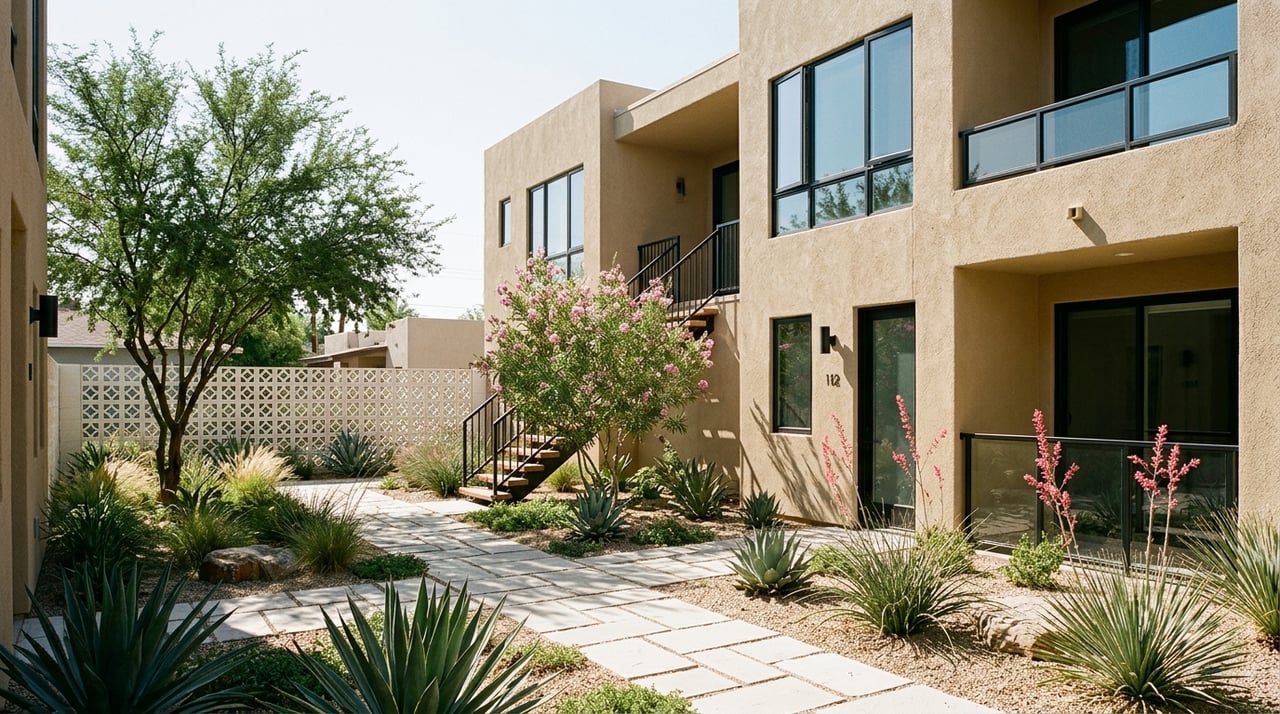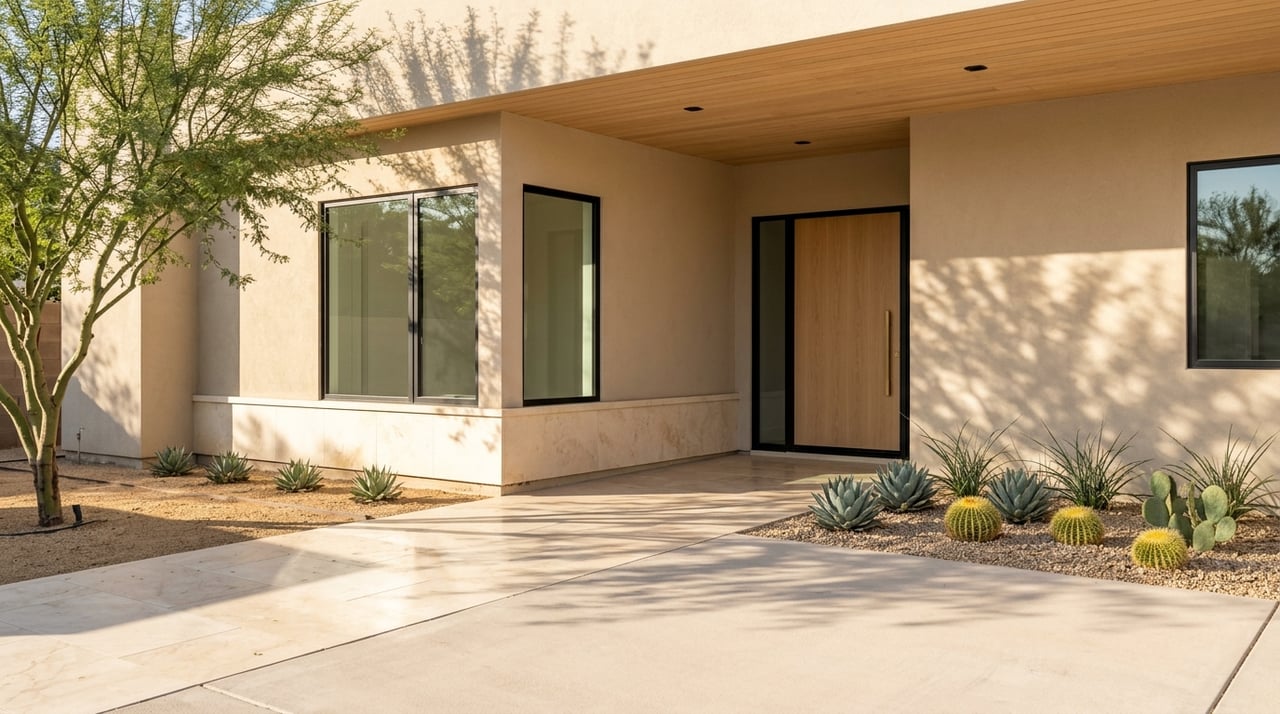
Thinking about moving to Phoenix? The hardest part often is not deciding whether to make the move. It is figuring out which part of this huge metro area actually fits your daily life. If you are relocating, you need more than a list of popular neighborhoods. You need a practical way to compare commute patterns, housing styles, price points, and neighborhood feel so you can narrow your search with confidence. Let’s dive in.
Start With Your Daily Routine
Phoenix is not a one-size-fits-all market. According to the City of Phoenix facts page, Phoenix is the fifth largest city in the United States, with more than 1.6 million residents, over 4,850 miles of public streets, and more than 41,000 acres of desert parks and mountain preserves.
That scale matters when you are choosing where to live. Two neighborhoods may not look far apart on a map, but your real experience will depend on your work location, freeway access, and how much drive time you are comfortable with during the week.
A smart first question is this: What kind of daily drive and housing type are you willing to live with? That approach lines up with the city’s focus on housing choice, neighborhood vitality, and transportation access in the Phoenix General Plan.
Understand Phoenix Price Bands
Greater Phoenix includes very different markets, even within a relatively short drive. If you are relocating, it helps to know early on that price, home style, and commute can shift quickly from one area to the next.
Based on U.S. Census QuickFacts for Phoenix, the 2024 median home value in Phoenix was $420,700, with a mean travel time to work of 25.6 minutes. In nearby Scottsdale, the median home value was $789,800 and the mean commute was 21.6 minutes. In Paradise Valley, median home value exceeded $2,000,000, with a mean commute of 20.7 minutes.
That does not mean one area is better than another. It means your best fit will depend on what you value most, whether that is a close-in location, a larger lot, newer construction, or access to a specific employment corridor.
Match Neighborhoods to Lifestyle
The most helpful way to compare Phoenix neighborhoods is to group them by how they live day to day. Here is a simple breakdown of several areas many relocators consider.
Arcadia for Close-In Character
Arcadia is located in Camelback East, where the city notes much of the housing stock was built between 1950 and 1970. The area is also part of the Arcadia Camelback Special Planning District, which was created to help sustain the residential character of the area.
If you are drawn to established neighborhoods, mature lots, and homes with more architectural personality, Arcadia may be a strong match. This is typically a better fit for buyers who want a close-in residential setting rather than a newer master-planned layout.
North Central for Established Residential Feel
North Central offers another close-in option, but with its own identity. The North Central Avenue Special Planning District was created in part to preserve large-lot single-family residential character and the Murphy Bridle Path, while also setting standards for setbacks, frontage, garage treatment, and wall height.
For many relocators, North Central appeals because it offers an established neighborhood pattern with planning protections that support consistency. If you like the idea of older homes, larger lots, and a more traditional residential feel, this area deserves a closer look.
Desert Ridge for Newer Planning
If your priority is newer construction, a master-planned environment, and access to north or northeast Phoenix employment corridors, Desert Ridge often stands out. The city describes Desert Ridge as an approximately 5,700-acre master-planned community in northeast Phoenix, within the Desert Ridge/Kierland Major Employment Center.
The area includes residential communities near Loop 101, along with office, retail, and higher-density uses in the surrounding core. For buyers relocating from other metros and wanting a more predictable, newer neighborhood setup, Desert Ridge can feel easier to navigate.
Scottsdale for Variety and Access
Scottsdale offers one of the broadest mixes of housing and employment nodes in the area. The city has a 2024 population of 246,170, and its Long Range Planning work highlights areas such as the Airpark, Old Town, and McDowell Corridor.
Scottsdale can work well if you want options. Choose Scottsdale’s employment center overview notes that Old Town is the city’s second-largest employment center, the Airpark includes more than 2,900 businesses and over 51,000 employees, and the McDowell Road Corridor offers access to freeways, Sky Harbor, and SkySong.
That range gives you flexibility. You may find condos, townhomes, updated single-family homes, or higher-end properties depending on which part of Scottsdale fits your lifestyle and budget.
Paradise Valley for Luxury and Privacy
Paradise Valley is a much smaller market, with a 2024 population of 12,523. It is also distinct in price point and ownership profile. According to U.S. Census QuickFacts, 95.0% of homes are owner-occupied, median home value is over $2,000,000, and median household income is $247,159.
If you are searching at the luxury end of the market and want privacy, larger homesites, and a limited-inventory environment, Paradise Valley stands apart. It is not simply a more expensive version of Phoenix. It is its own category for many buyers.
Use Commute Corridors, Not Zip Codes
One of the biggest relocation mistakes is choosing by city name alone. In Greater Phoenix, commute choice is often more about the corridor you need to access than the literal distance between neighborhoods.
For example, if you need regular access to central Phoenix or the airport area, it helps to know that Phoenix Sky Harbor is a major economic engine supporting more than 56,000 jobs. If your work is tied to north or northeast Phoenix, Desert Ridge and nearby freeway access may matter more. If your job is in Scottsdale, the Airpark, Old Town, and McDowell Corridor may shape your home search more than a city boundary line.
This is why rush-hour trial drives are so valuable. A neighborhood can look perfect online, but your actual experience may come down to how it feels on a Tuesday morning at 7:30.
Prioritize Must-Haves First
When buyers relocate to Phoenix, the search becomes much easier once they separate true must-haves from nice-to-haves. You do not need every answer on day one, but you do need a framework.
Start with these questions:
- How many minutes are you willing to commute most days?
- Do you prefer older homes with character or newer construction?
- Do you want a larger lot or lower-maintenance living?
- Are you comfortable with neighborhoods that have more planning controls and design consistency?
- What price range feels realistic based on the area you want?
In general, the research points to a few clear patterns:
- Arcadia and North Central are strong fits if you want older, close-in neighborhoods with established residential character.
- Desert Ridge is a strong fit if you want newer construction and master-planned convenience.
- Scottsdale is a strong fit if you want a wider mix of housing, employment centers, and lifestyle options.
- Paradise Valley stands apart if your search is focused on luxury, privacy, and a very high price point.
A Practical Way to Narrow Your Search
If you are overwhelmed by choices, keep the process simple. First, identify your main work or lifestyle anchors. Second, choose the housing type you want most. Third, compare neighborhoods that match both.
That usually leads to better decisions than starting with broad assumptions about the entire Phoenix market. Greater Phoenix works best when you evaluate it as a collection of very different submarkets, each with its own rhythm, inventory, and tradeoffs.
Relocating is a big move, but it gets easier when you have a local guide who can translate the map into real daily life. If you want help comparing Arcadia, North Central, Paradise Valley, Scottsdale, or other Metro Phoenix areas, connect with Mary King for thoughtful, neighborhood-first guidance tailored to your move.
FAQs
What should you consider first when relocating to Phoenix?
- Your daily routine should come first, especially commute tolerance, preferred housing type, and budget.
How is Scottsdale different from Phoenix for homebuyers?
- Scottsdale generally offers a higher median home value, a broad mix of housing options, and multiple employment centers such as Old Town, the Airpark, and the McDowell Corridor.
What type of buyer is Arcadia a good fit for in Phoenix?
- Arcadia often fits buyers who want an established close-in neighborhood with older housing stock and preserved residential character.
Is Desert Ridge a good option for relocators moving to Phoenix?
- Desert Ridge can be a strong option if you want newer construction, a master-planned setting, and access to north or northeast Phoenix corridors.
What makes Paradise Valley unique in the Greater Phoenix market?
- Paradise Valley stands out for its small size, high owner-occupancy, luxury price point, and limited-inventory feel compared with surrounding areas.