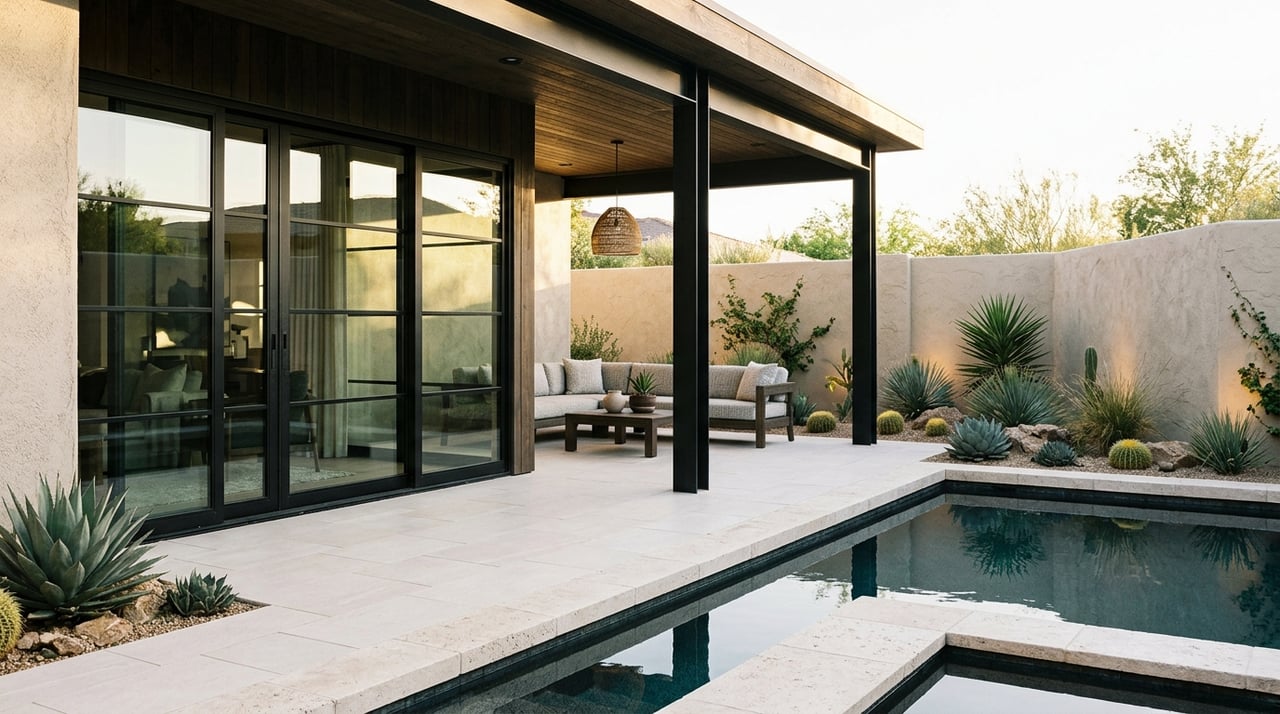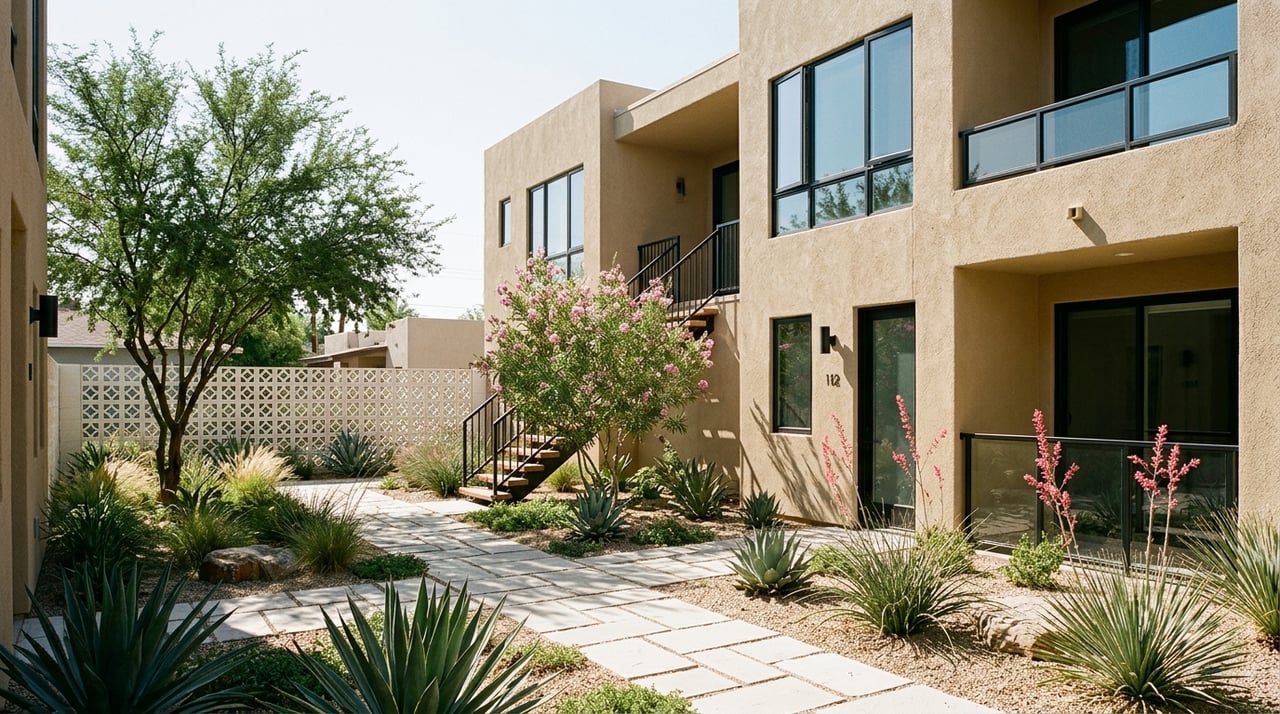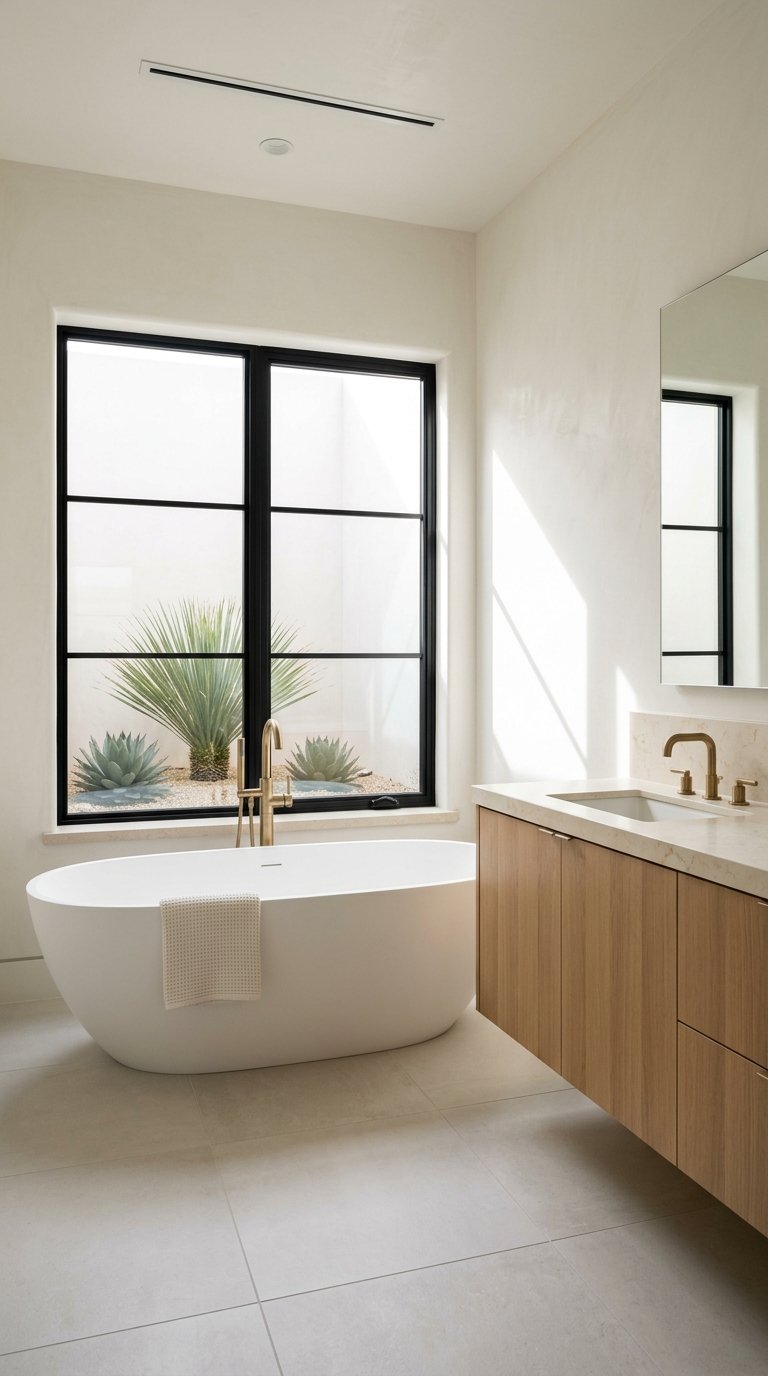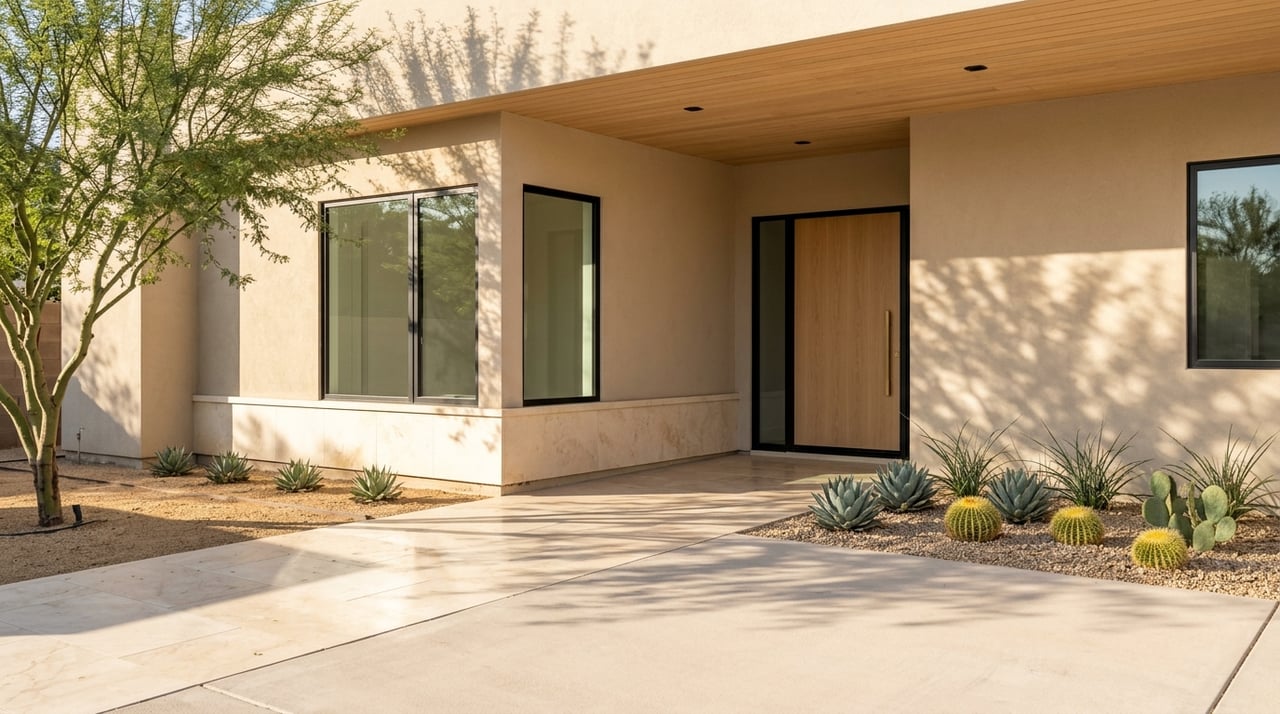
Trying to decide between a brand-new home and a resale property in Scottsdale? You are not alone. This is one of the biggest questions buyers face here, especially because Scottsdale is not a one-size-fits-all market. If you understand how age, location, zoning, HOA rules, and condition can change from one area to the next, you can make a much more confident choice. Let’s dive in.
Scottsdale Is a Mixed-Age Market
Scottsdale has more than 138,000 housing units, and the city includes a wide mix of housing ages and styles. The 2025 Housing Needs Assessment says Scottsdale has averaged nearly 1,100 new housing units built each year since 2010, but a meaningful share of homes still dates back decades. In fact, 33% of owner-occupied units and 27% of renter-occupied units were built before 1980.
That mix is a big reason this decision matters so much in Scottsdale. You are not simply choosing between “old” and “new.” You are often choosing between different parts of the city, different neighborhood patterns, and different day-to-day ownership experiences.
Scottsdale also plans by character areas, including Southern Scottsdale, Old Town, Shea, Greater Airpark, Cactus Corridor, Desert Foothills, and Dynamite Foothills. The city notes that Scottsdale grew northward over time, and Southern Scottsdale in particular has a large share of housing stock that is 30 years old or more. In practical terms, newer construction often shows up more in northern and northeast areas, while resale homes are more common in central and southern areas, though there are exceptions.
New Construction in Scottsdale
New construction in Scottsdale often shows up in master-planned communities, larger-lot developments, or newer condo projects. Current examples range from lock-and-leave condos to preserve-adjacent luxury homes and estate-style properties with large homesites. That variety gives buyers options, but it also means every new-home opportunity should be reviewed on its own details.
One of the biggest advantages of new construction is the modern baseline. Scottsdale adopted updated green building and energy code requirements that took effect in January 2023. For new homes, those rules include features such as improved ceiling insulation, cool roof surfaces, high-efficacy lighting, EV-capable charging infrastructure, and solar-ready roof preparation.
For many buyers, that can translate into lower energy use, more current systems, and fewer immediate upgrade projects. You may also find contemporary finishes that fit what many Scottsdale buyers want today, such as quartz counters, upgraded appliances, smart-home features, and finished front-yard landscaping. Still, it is important to remember that finishes and included features vary by builder, community, and price point.
What to Review Before Buying New
If you are buying a newly built home in an Arizona subdivision, the state requires a Public Report before you sign a contract. This is a key document, and it deserves close attention.
According to the Arizona Department of Real Estate, the Public Report can include:
- Adjacent land uses n- Utility providers
- Common community facilities
- Completion assurances
- Taxes and assessments
- Property owners association details
You should also read the CC&Rs carefully. These rules may limit things like landscaping choices, RV parking, play equipment, satellite antennas, and other exterior uses. If you are choosing new construction because you want a polished, organized community setting, these rules may feel like a fair tradeoff. If you want more freedom to customize, they may feel restrictive.
Resale Homes in Scottsdale
Resale homes are often the better fit if you want an established setting, mature streetscapes, and more architectural variety. Because Scottsdale developed over time, resale inventory can offer a stronger sense of neighborhood identity than a brand-new community. That is especially true in more established parts of the city.
Many buyers are drawn to resale homes for location first. You may find yourself closer to older commercial areas, long-developed streets, and neighborhoods with a settled feel. In Scottsdale, that kind of setting can be a major lifestyle advantage.
The tradeoff is condition. The city says about 85% of Scottsdale’s housing stock is in good condition, but about 15% needs maintenance or repairs, especially in older neighborhoods. That does not mean resale homes are a poor choice. It means your due diligence matters more.
What to Review Before Buying Resale
For previously owned homes, Arizona guidance recommends several checks before closing. A resale home may come with charm, location, and lot advantages, but you want a clear picture of what you are taking on.
Important items to review include:
- Professional home inspection
- Termite inspection
- Whether appliances are working properly
- Water service function
- Irrigation system function
- Age and condition of roof, HVAC, plumbing, and electrical systems
- Whether prior remodels were properly permitted
If you are planning to renovate after closing, there may be extra layers to review. Scottsdale notes that some residential subdivisions have historic property overlay protections, including Town and Country Scottsdale, Village Grove 1-6, Villa Monterey Units 1-7, and most lots in Sands North. The city also says that additions or renovations equal to or greater than 50% of the existing structure may trigger water or sewer improvement requirements.
New Construction Versus Resale: The Biggest Differences
The right choice usually comes down to a handful of practical questions. In Scottsdale, these are the comparison points that matter most.
Location and Character
In Scottsdale, home age often lines up with the part of the city you are shopping. New construction is more likely in newer northern or northeast communities, while resale inventory is more common in central and southern areas. That matters because your choice is not just about the house itself. It is also about the character area, surrounding development pattern, and the feel of the neighborhood.
If you love the idea of a more recently built community with coordinated design and infrastructure, new construction may be appealing. If you value a more established setting with mature surroundings, resale may be the better path.
Lot Size and Zoning
Lot size can vary dramatically in Scottsdale. The city’s zoning ranges from smaller districts like R1-5 at 4,700 square feet and R1-7 at 7,000 square feet to much larger districts like R1-35 at 35,000 square feet and R1-43 at 43,000 square feet.
That means you should never assume a new home has a smaller lot or a resale has a larger one. In Scottsdale, both can vary widely depending on neighborhood context and zoning. If yard space, privacy, or future expansion potential matter to you, this should be one of your first research points.
HOA Rules and Community Structure
HOA exposure is often more formal and visible in new communities. In a new subdivision, you are more likely to receive structured documentation through the Public Report process, and community rules may shape everything from exterior design to parking and amenities.
Resale homes can sometimes offer fewer restrictions, but that is never guaranteed. You still need to verify whether the property has an HOA, what the dues are, and what the CC&Rs allow or restrict. A home’s flexibility can differ a lot from one neighborhood to another.
Energy Efficiency and Maintenance
This is one area where new construction often starts with a clearer advantage. Scottsdale’s current code for new homes includes features aimed at improving energy performance, such as better insulation, cool roofs, LED lighting, EV-ready conduit, and solar-ready roof prep.
A resale home can still become more efficient over time. Arizona also offers certain incentives and tax benefits for qualifying energy upgrades and solar improvements. But in most cases, an older home will require more research, and possibly more investment, if energy performance is a priority for you.
Timing and Move-In Readiness
Timing can be the deciding factor for many buyers. Some Scottsdale builders offer quick-move-in homes, while others are selling in communities with longer build timelines or future phases. That means new construction can be available soon, or it may require patience.
Resale homes are already complete, which makes the process more straightforward if you need to move on a shorter timeline. You also know exactly what the surrounding streets and nearby homes look like today, which can make the decision feel more certain.
Which Type of Home Fits You Best?
If you want low-maintenance living, current code standards, modern finishes, and a more predictable repair picture, new construction may be the better fit. This option often works well for buyers who want a more turnkey experience and are comfortable reviewing HOA rules and builder documents carefully.
If you care most about established surroundings, neighborhood character, lot variety, or the chance to customize an older home over time, resale may be the stronger choice. This route can offer more location variety and personality, but it also asks more of you during inspections and planning.
Neither option is automatically better in Scottsdale. The right answer depends on where in Scottsdale you want to be, how much project tolerance you have, and how important flexibility, efficiency, and timing are to your move.
Smart Questions to Ask Before You Decide
Before you move forward with either option, ask a few grounded questions that can keep you from making an emotional decision too quickly.
Start with these:
- What character area is the home in?
- Is the property in an older established area or a newer master-planned setting?
- Does the home have an HOA, and what do the CC&Rs restrict?
- For a new build, what is included in the base price and what counts as an upgrade?
- For a new build, what does the Public Report say about adjacent land and future phases?
- For a resale, how old are the roof, HVAC, plumbing, and electrical systems?
- For a resale, were prior remodels properly permitted?
- How much time, money, and energy do you want to put into repairs, landscaping, or customization?
When you answer these clearly, the right path usually becomes more obvious.
Scottsdale offers strong options on both sides of the new-versus-resale debate. The key is matching the property to your goals, not just choosing what looks best online. If you want help comparing neighborhoods, evaluating tradeoffs, or narrowing down the right fit for your move, connect with Mary King for local guidance tailored to Scottsdale.
FAQs
What is the main difference between new construction and resale homes in Scottsdale?
- New construction often offers newer systems, current energy-code features, and more structured community rules, while resale homes often offer more established surroundings, varied architecture, and a wider range of neighborhood settings.
Are new construction homes in Scottsdale usually in different areas than resale homes?
- Often, yes. Scottsdale grew northward over time, so newer homes are more common in northern and northeast areas, while many resale homes are found in central and southern parts of the city.
What should you review before buying a new construction home in Scottsdale?
- You should review the Arizona Public Report, confirm what is included in the price, check for future phases or adjacent land uses, and read the CC&Rs carefully to understand restrictions and HOA details.
What should you inspect before buying a resale home in Scottsdale?
- You should look closely at the roof, HVAC, plumbing, electrical systems, appliances, water service, irrigation, and termite condition, and confirm whether any remodel work was properly permitted.
Are older Scottsdale homes always in poor condition?
- No. Scottsdale says about 85% of the city’s housing stock is in good condition, but older homes are more likely to need maintenance or repairs, so inspections are especially important.
Do Scottsdale HOA rules matter for both new and resale homes?
- Yes. HOA rules can affect landscaping, parking, exterior use, and more, so you should verify whether an HOA exists and review the CC&Rs no matter which type of home you are considering.