What if your daily walk mixed palm-lined streets, historic character, and easy access to museums, restaurants, and light rail? If you are weighing a home search in Phoenix’s core, North Central offers a rare blend of charm and convenience. In this guide, you will learn how the area’s architecture evolved, what everyday life feels like, and what to look for as a buyer or seller. Let’s dive in.
North Central Phoenix at a glance
North Central describes the in-town neighborhoods around the Central Avenue corridor just north of downtown. It includes historic pockets such as Willo, Encanto–Palmcroft, Medlock Place, and parts of Coronado. You get a quieter, residential feel with single-family streets, yet you are minutes from cultural destinations and transit.
Central Avenue itself is a long-established spine that links homes to downtown, museums, and light rail. For context on how this corridor anchors the city, see the overview of the Central Avenue Corridor.
Architectural styles you will see
Garden-suburb charm from the 1920s–40s
Much of North Central grew during the streetcar era. In Encanto–Palmcroft, curving streets, planned palms, and landscaped boulevards frame Tudors, Spanish and Mediterranean Revival, and Craftsman bungalows. The district is a classic garden-suburb with a documented period of significance in the 1920s through the 1940s. Learn more about its design DNA in the Encanto–Palmcroft Historic District history.
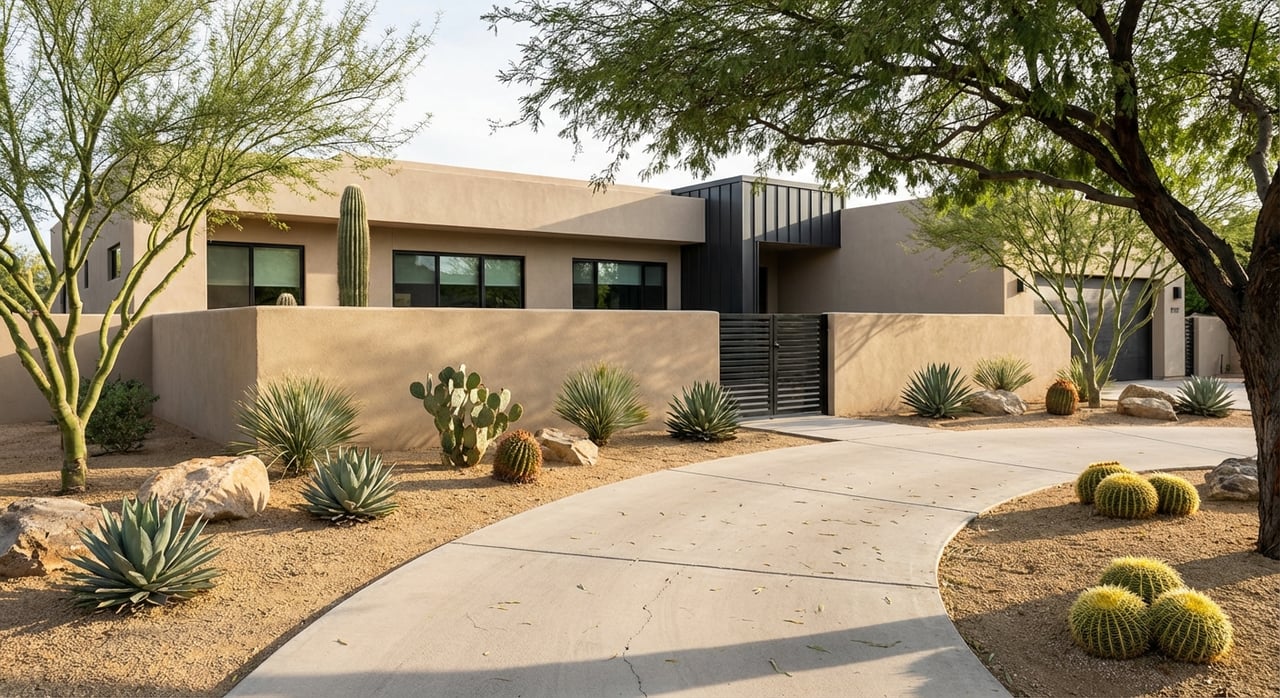
Typical details include stucco walls, clay tile roofs, and brick or wood accents. Lots feel private and green, which softens the urban setting and supports backyard living.
Postwar ranch and mid-century rhythm
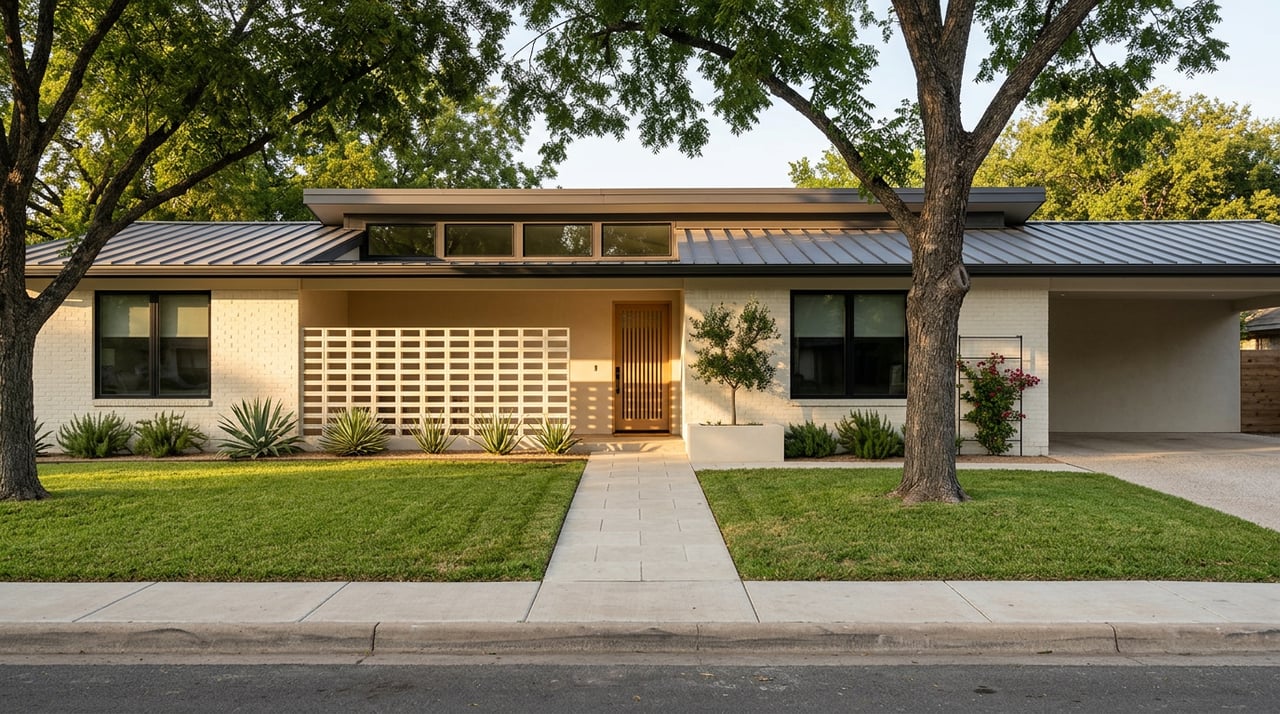
After World War II, single-story ranch homes and modest mid-century houses filled many blocks. These homes sit low and horizontal with simple plans, larger setbacks on some streets, and attached garages or carports. Medlock Place is a great example of how 1940s–50s building shaped the area, as outlined in the Medlock Place Historic District history.
You will also find ranch-era homes within Coronado and nearby pockets. Many properties become careful remodels, balancing original brick or block with updated kitchens, open living spaces, and backyard pools.
Mid-century modern fragments and protected districts
Scattered through North Central are hints of “desert modern” design and small mid-century multiunit buildings. At the same time, named districts like Willo have formal historic protections that guide exterior changes. This helps preserve original streetscapes and materials. For context, see the Willo Historic District background.
New builds and respectful infill
You will see both sensitive restorations and selective new construction, often on corridor edges or larger lots. The City maps local overlays and an Infill Incentive area that shape what can be built and where. If you plan a renovation or you are assessing resale value near a district boundary, it pays to understand these rules. Explore the city’s AllZoning and overlay layers to see how preservation and infill interact.
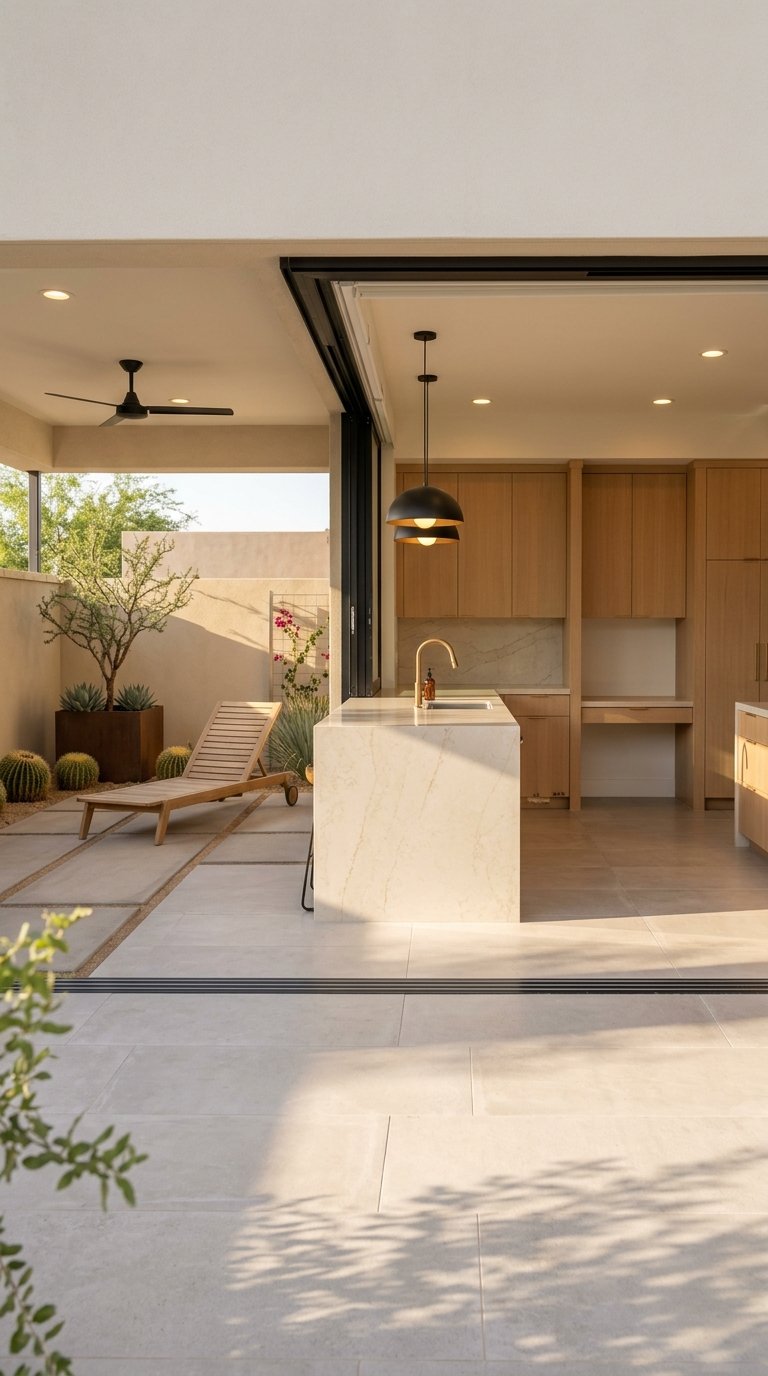
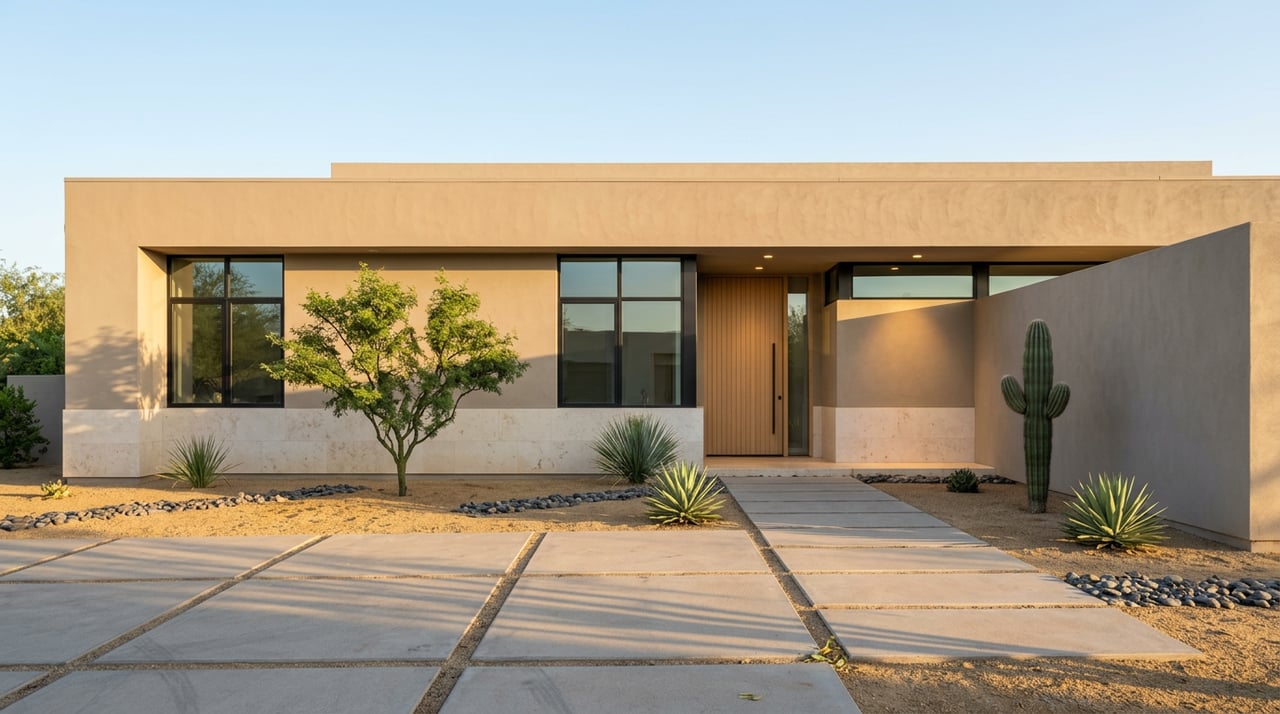
Design-wise, newer homes often feature two stories, generous glazing, open kitchens, and courtyard or patio layouts that respond to lot depth and sun. For broader context on how modern infill adapts to urban settings, see this overview of modern American housing and infill.
Streetscape and everyday life
Encanto Park as a backyard
Encanto Park is the area’s signature green space, developed with historic support and still a daily anchor for many residents. It includes a lagoon, the Enchanted Island amusement area, a public pool, and golf. Many nearby blocks were planned to relate to the park, which is central to the garden-suburb feel described in the Encanto–Palmcroft history.
Shade, trees, and microclimate
Phoenix treats shade as essential infrastructure. The city’s Tree & Shade program documents how canopy varies by area and why it matters. Peer-reviewed work referenced by the city estimates that each 1 percent increase in canopy can reduce daytime air temperature by about 0.14°C. Moving from roughly 10 percent to 25 percent canopy can produce about 1 to 2°C of neighborhood cooling. Many North Central historic streets read greener because of early planting and mature trees. Learn more through the City’s Tree & Shade program.
Food, culture, and local icons
North Central blends residential calm with classic Phoenix institutions. Durant’s on Central Avenue has been a steakhouse touchstone since 1950, which adds a sense of continuity to the corridor. Get a feel for the lore at Durant’s.
Park Central, once a mid-century mall, has been repositioned into a mix of offices, restaurants, and events. It is a good snapshot of how the area reuses existing buildings while staying active and central. Explore the story at Park Central.
Cultural heavy-hitters like the Heard Museum, Phoenix Art Museum, and Burton Barr Library sit within a short drive or light-rail ride. The result is an in-town lifestyle with single-family streets and quick access to art, libraries, and dining.
Transit and connectivity
Central Avenue connects you north to Uptown and south to downtown, linking with light rail and major arterials. Many daily needs sit within a short car or bike ride, and you can reach freeways quickly. This centrality is a key reason many buyers choose North Central over farther-out suburbs.
How it compares nearby
Downtown and Roosevelt Row vs North Central
If you want a quieter, lower-rise feel with more single-family yards, North Central often wins over denser, art-centric districts near downtown. Roosevelt Row and the Warehouse District lean toward apartments, galleries, and nightlife. North Central offers porches, shade, and a calmer weekday rhythm while staying close to the action.
Arcadia and Biltmore vs North Central
Arcadia and Biltmore, east of Camelback, trend toward larger lots and more suburban landscaping with high-profile retail nodes. North Central trades some lot size for closer proximity to downtown and an older mix of historic blocks. All are strong in-town choices, but they offer distinct architectural character and daily rhythms.
Midtown and other shifting areas
Some neighborhoods right next to downtown are seeing rapid small-lot infill and more mid-rise apartments. By contrast, North Central’s core historic districts change more slowly because of overlays and conservation planning. Corridor edges and non-district blocks still see modern townhomes and new builds, which adds variety.
Buying, renovating, and resale tips
- Study district boundaries and overlays before you write an offer. Historic status can guide exterior changes, which protects neighborhood character and can support long-term value. Use the city’s zoning and overlay map layers as a starting point.
- Walk the block at different times of day. Note tree canopy, sidewalk shade, and how porches or patios face the sun. Shade patterns shape comfort in summer.
- Assess lot depth and orientation. Many lots support backyard pools and private gardens. Deep lots can fit additions or a modern courtyard layout.
- Read the roofline and materials. Tile roofs and stucco often signal Period Revival homes. Low-slope roofs and carports point to ranch-era design. Look for original brick or wood details.
- Expect a mix of conditions. You will find restored historic homes, tasteful remodels, and new infill. On preserved blocks, remodels tend to be more sensitive.
- Think lifestyle anchors. Proximity to Encanto Park, Park Central, museums, and transit can make daily life easier while boosting long-term appeal.
Is North Central a fit for you?
If you want an in-town address with historic charm, mature trees, and quick access to culture and transit, North Central is worth a close look. You can choose between period-revival character, mid-century ranch simplicity, and respectful new builds, often on streets that feel greener and calmer than you might expect in the city core.
If you are ready to tour homes, compare blocks, or plan a smart pre-list refresh, reach out to Mary King for a local, consultative approach backed by Compass marketing.
FAQs
What do typical North Central streets look like?
- Many blocks have mature shade trees, sidewalks, and a mix of 1920s to 1950s single-family homes, with curving streets and planned palm plantings near Encanto Park.
Are homes more original or renovated in North Central historic districts?
- You will see both. Expect restored historic homes, careful remodels, and selective modern infill, with higher preservation levels inside named districts like Willo and Encanto–Palmcroft.
Will new construction feel out of place in North Central Phoenix?
- Sometimes, but many projects echo local massing and materials. Where historic protections apply, design review reduces discordant forms and favors context-aware design.
How does shade impact comfort in Phoenix neighborhoods like North Central?
- Increased tree canopy measurably cools neighborhoods. City-cited research estimates about 0.14°C daytime cooling for each 1 percent canopy increase, which adds up on greener blocks.
What lifestyle anchors are near Central Avenue and Park Central?
- You are close to Park Central’s offices and dining, longstanding spots like Durant’s, and cultural institutions such as museums and the main library, all with quick transit access.